German Remotions
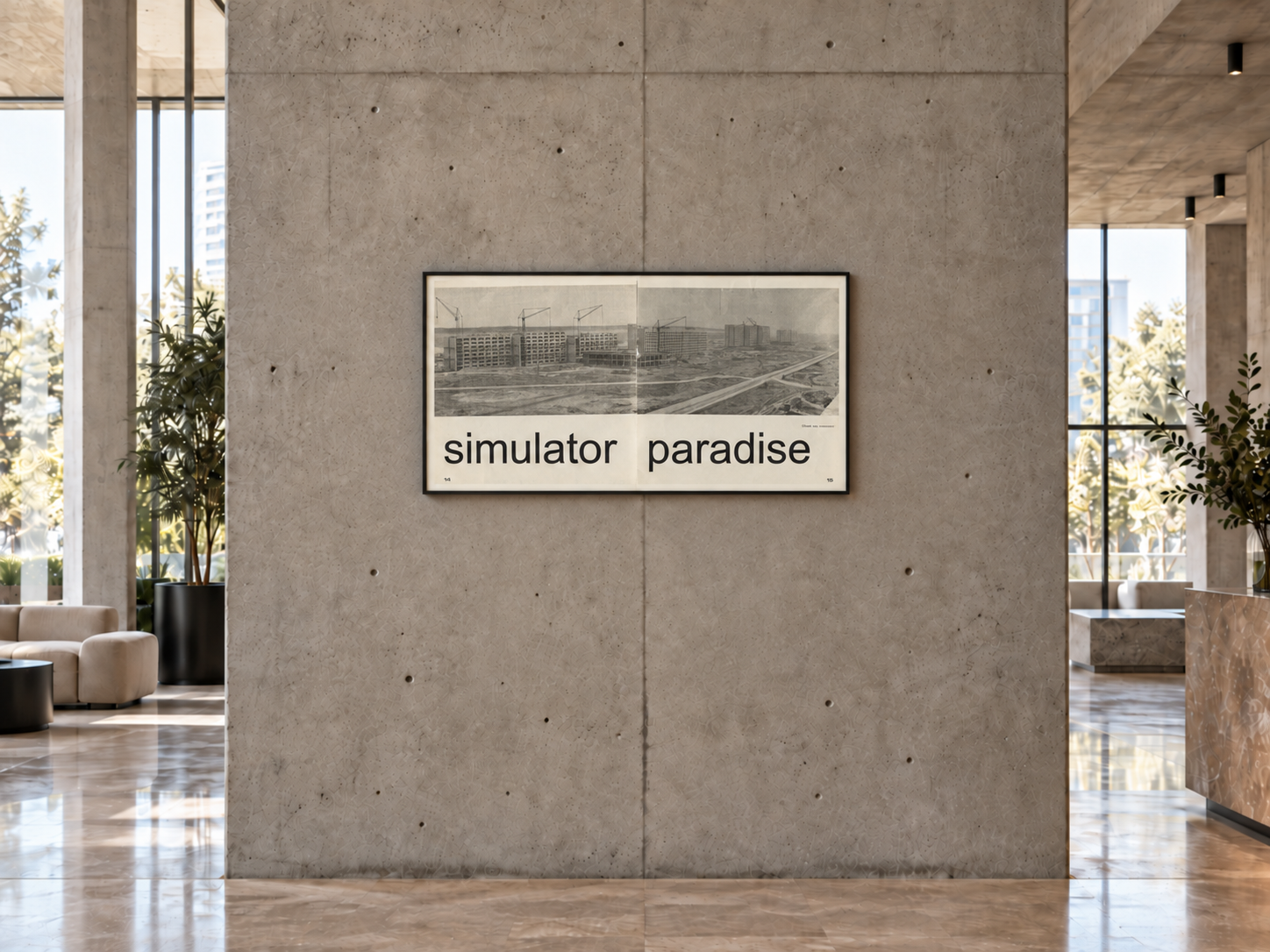
German Remotions belongs to one of the earliest bodies of work Jorge da Cruz developed after moving to Berlin. Created during a period when he had no permanent studio, the series emerged from a deliberately simple and experimental approach to image-making. Found pages, old documents, discarded books, and materials collected at flea markets became the starting points for new compositions, allowing existing images and printed information to acquire different meanings.
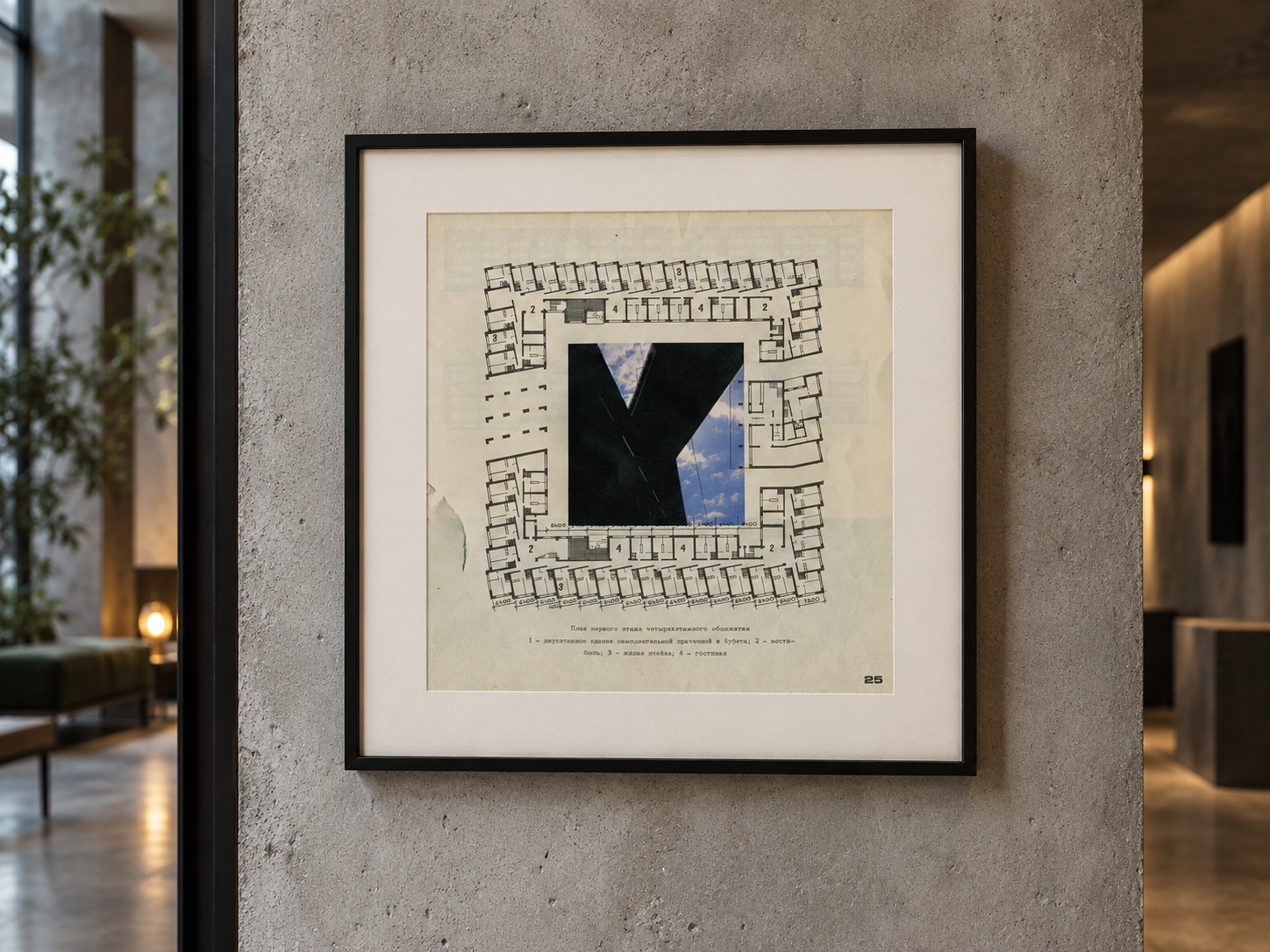
The working process was closely connected to the materials available. Photographs taken by da Cruz in Lisbon, often using a Lomo camera, were printed with an ordinary inkjet printer directly onto pages removed from old architecture books, official documents, and other printed matter. Rather than beginning with a blank surface, each work developed through the encounter between an existing document and an image introduced into it. Architectural drawings, technical diagrams, written information, and photographic fragments occupied the same space, creating unexpected relationships between materials that originally belonged to different contexts.
Photography was not the only element introduced into these compositions. Some works incorporated short inscriptions, poetic statements, and references to everyday life. Small objects, including pieces of Lego, occasionally became part of the images. This freedom to combine different materials gave the series an informal and experimental character, closer to a collection of visual observations than to a predetermined artistic programme.
The works also reflect da Cruz's first attempts to understand Berlin and its particular history. Housing, ideas of home, and the visible differences between East and West became recurring subjects. The city's architecture, its urban transformations, and the traces of its recent political history offered a particularly rich field of observation. Old plans and diagrams were placed alongside contemporary photographs, bringing different periods into contact and allowing the past to remain visible within the present.
An important aspect of the series lies in the relationship between Lisbon and Berlin. Many of the photographs originated in the city da Cruz had left behind, while the materials onto which they were printed were often discovered in his new surroundings. These combinations brought together personal memories and unfamiliar historical references, reflecting the experience of arriving in a city and gradually developing a sense of belonging. The resulting images do not attempt to explain Berlin systematically, but register the associations, curiosities, and occasional contradictions that accompanied this process.
German Remotions can be understood as an unfinished visual puzzle, assembled from found materials, personal photographs, and small observations. What began as an informal passion project gradually developed into a broader artistic exploration of memory, architecture, and urban identity. Rather than offering a complete portrait of Berlin, the series documents an early and personal encounter with a city that da Cruz would eventually call home for more than fifteen years.
noT
Jorge l. Cruz | Simulator paradise| Photo Printed on Old paper, 2010 | 2X20x20 | © MHSG Berlin
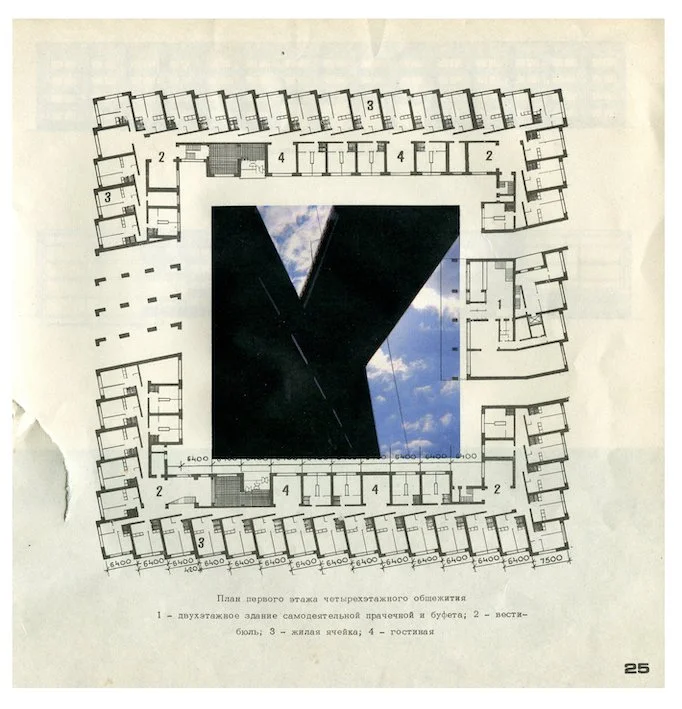
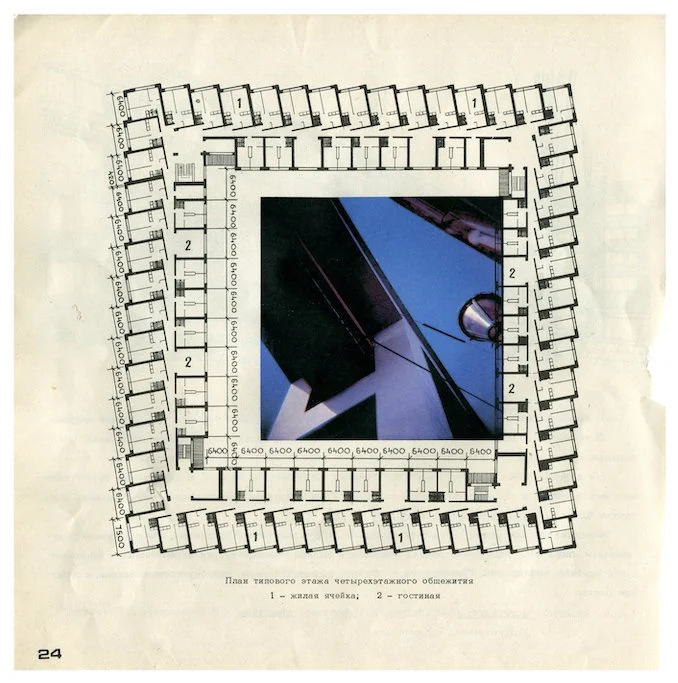
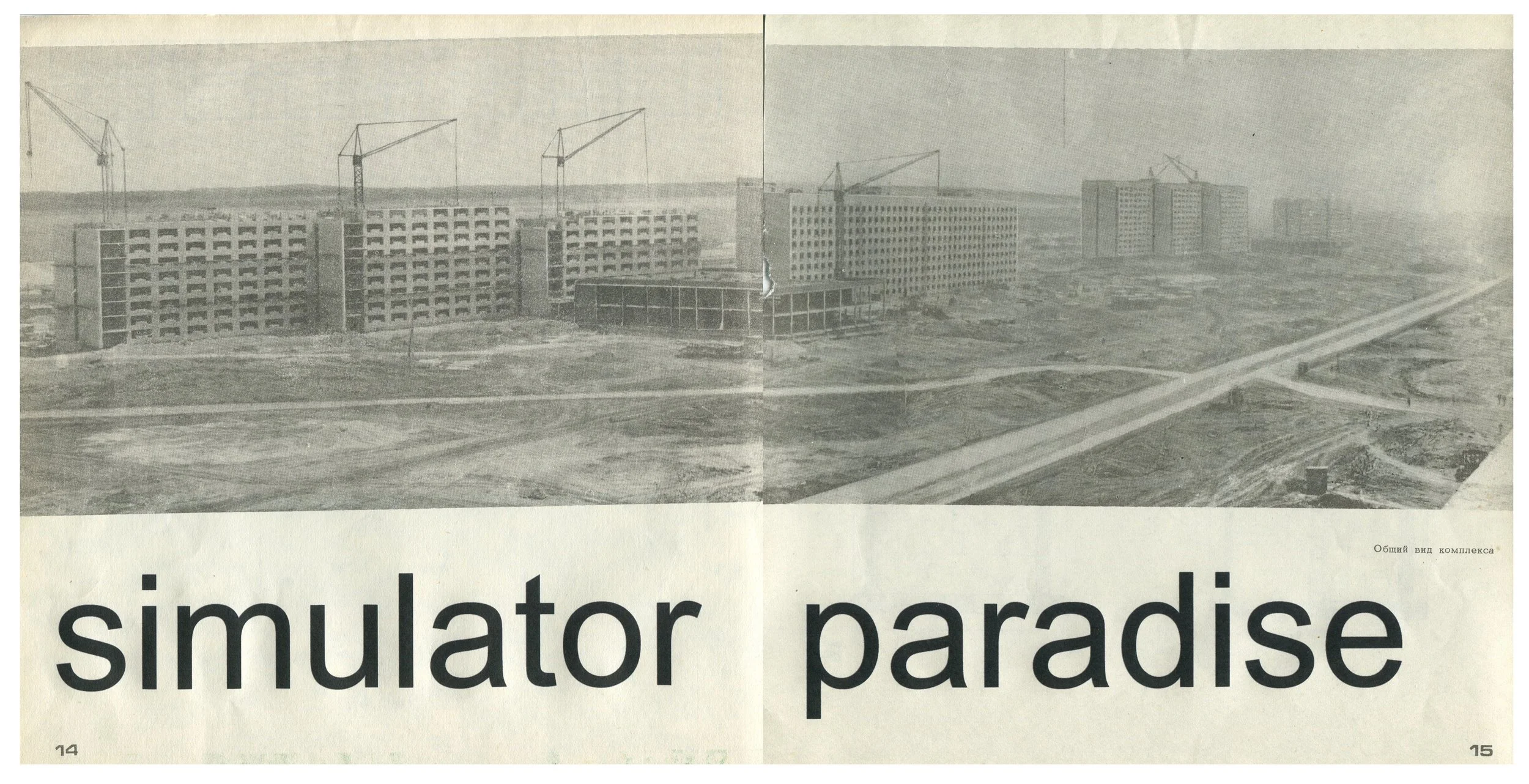
Jorge l. Cruz | Simulator paradise| Print on Old paper, 2010 | 100×50cm | © MHSG Berlin
Jorge l. Cruz | EAST or Germano emotions | Print, TypeWriting on Old paper, 2010 | different sizes | © MHSG Berlin
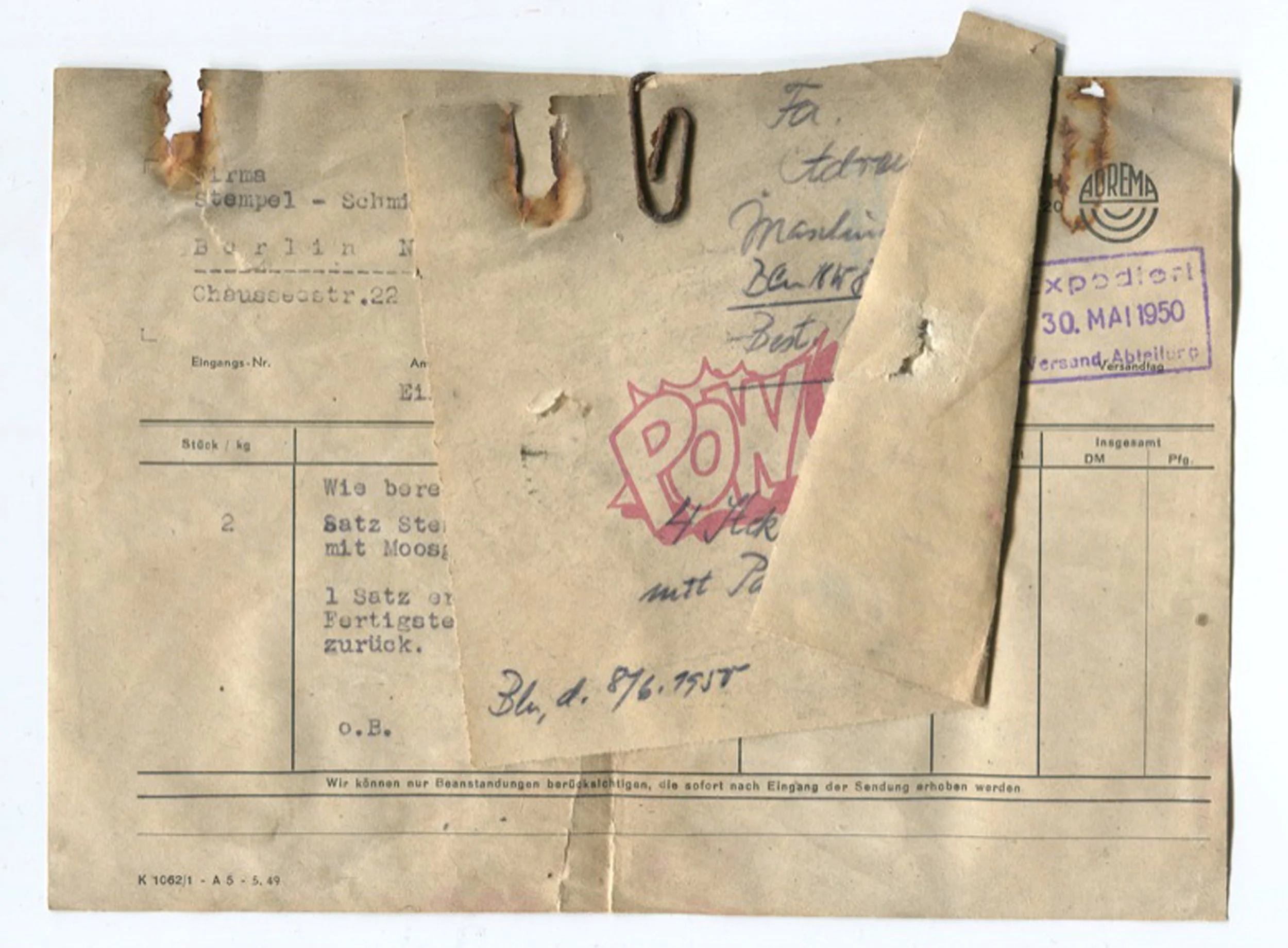
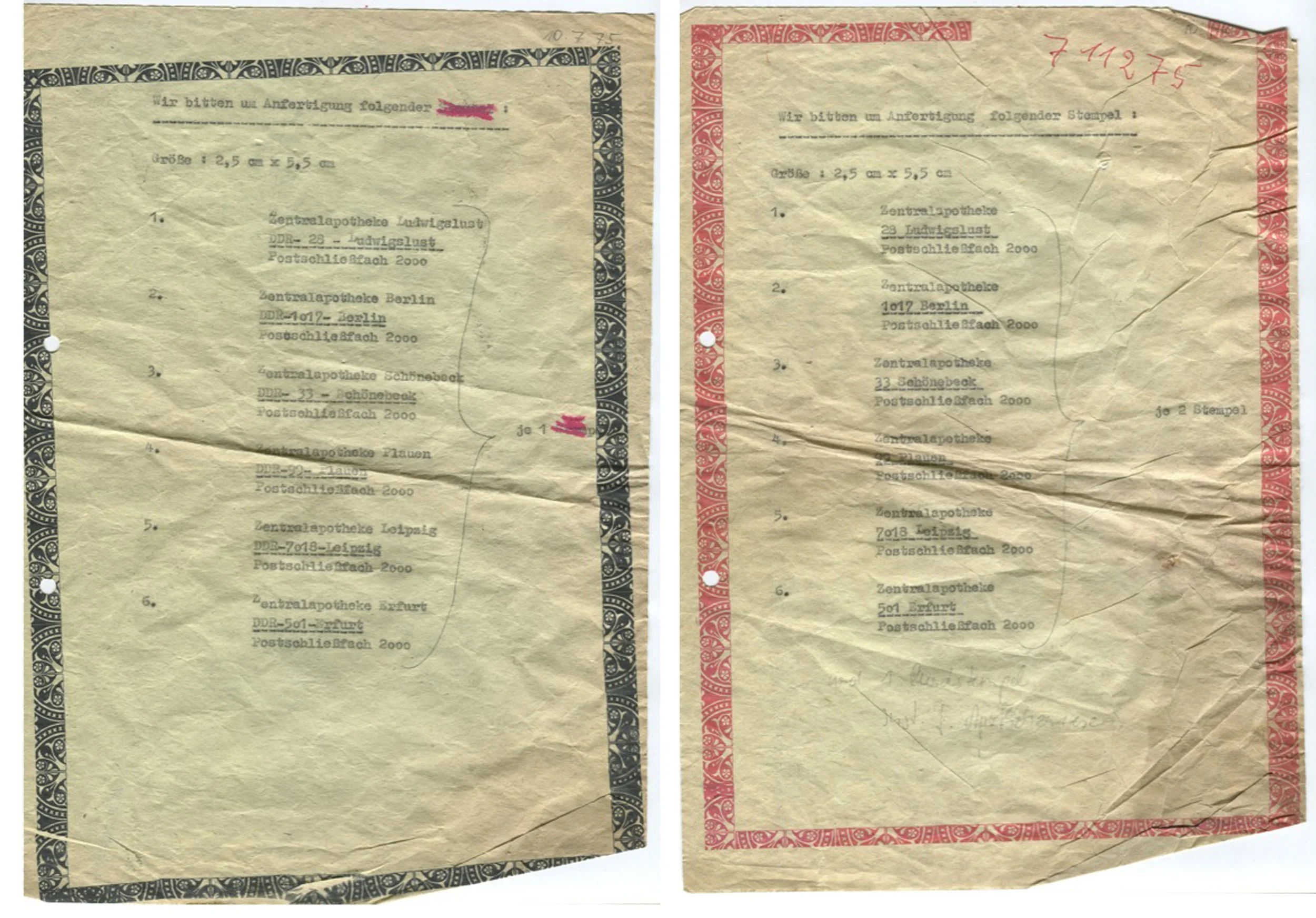
Jorge l. Cruz | EAST or Germano emotions | Print, TypeWriting on Old paper, 2010 | 4X21x39cm | © MHSG Berlin