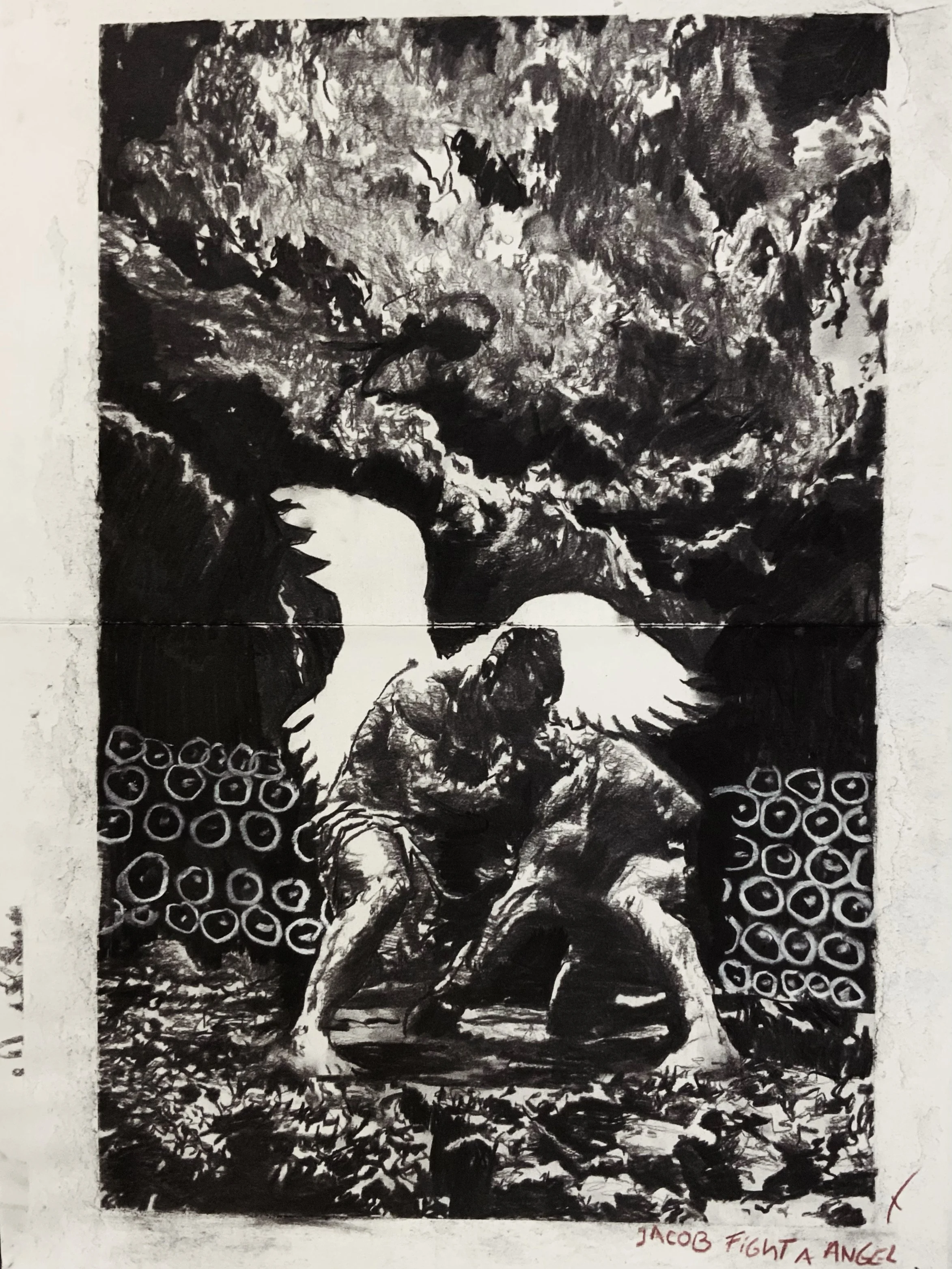
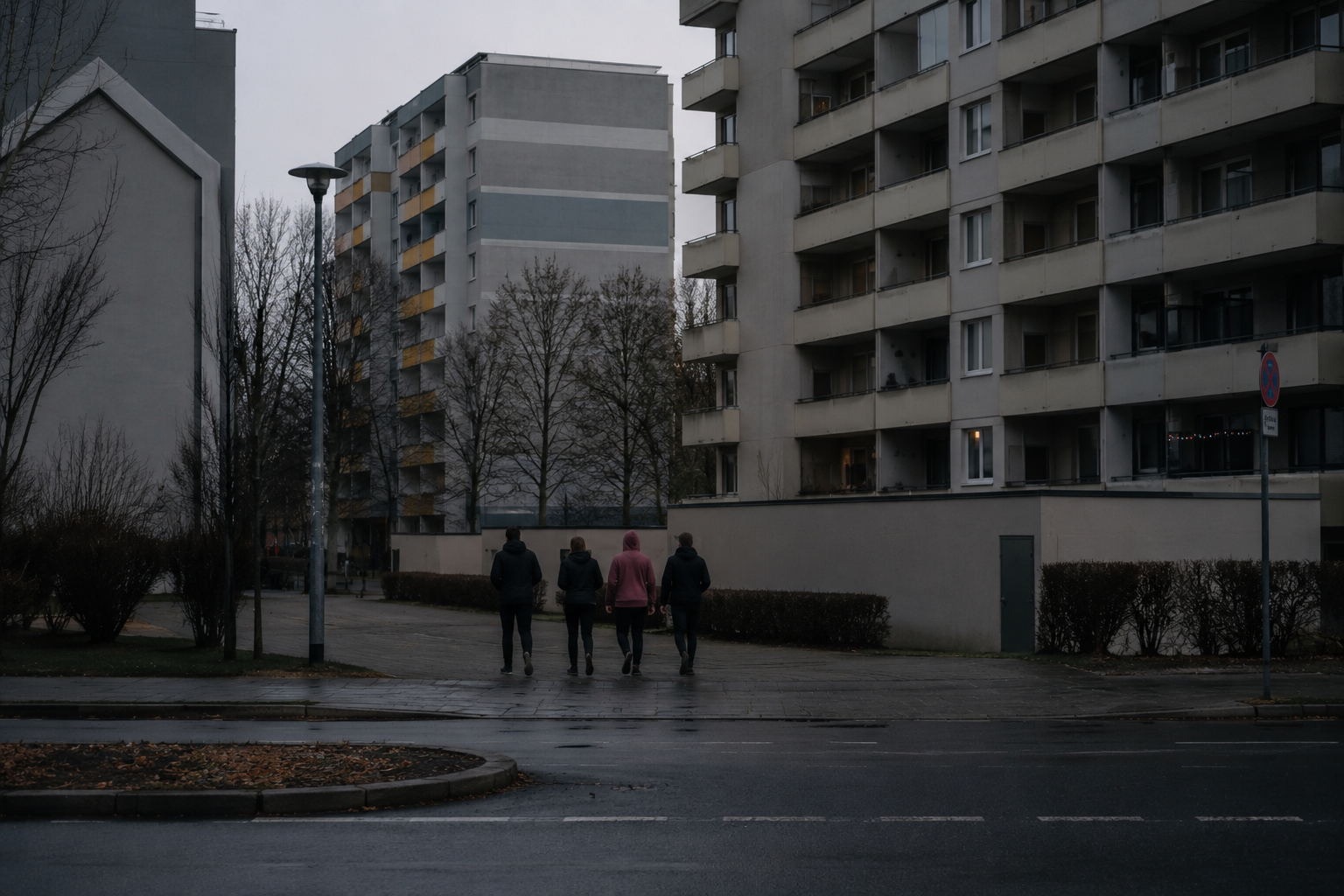
What is noSHBerlin
noSHBerlin is a Berlin-based clothing label developed through the artistic and tattoo work of jorgedacruz. Rather than treating clothing as merchandise, the project uses fabric as another surface for images to exist — moving between drawing, skin, embroidery, and everyday use. Rooted in tattoo culture, limited editions, and the tension between center and periphery, noSHBerlin creates personal objects shaped by memory, time, and use.
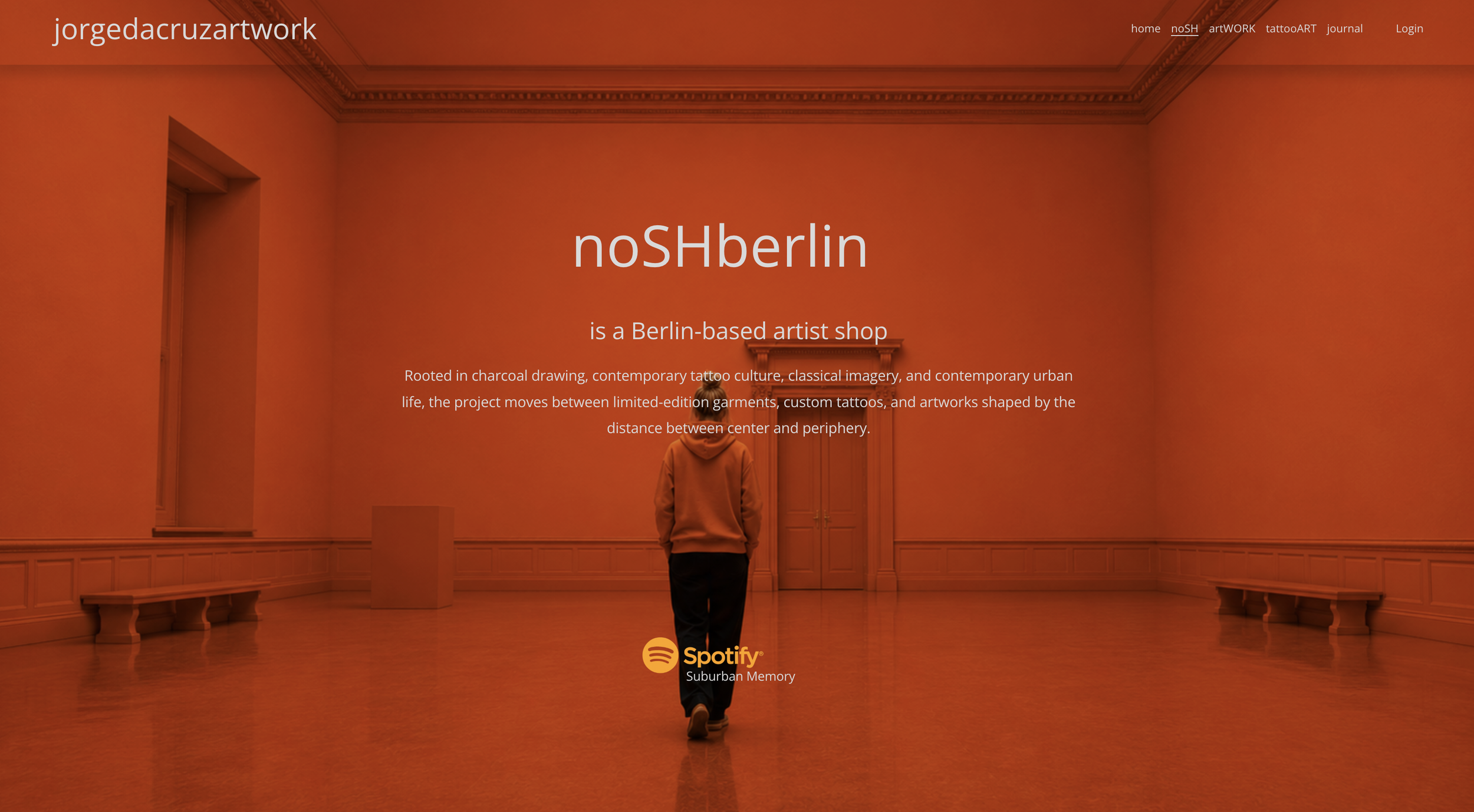
Suburban Memory
Music has always been part of the atmosphere surrounding noSHBerlin. Certain songs carry places, people and moments long after they disappear. A voice heard at the right time, a bassline coming from an open window, a track connected forever to a summer, a friendship, a neighborhood, a mistake, a beginning.
playlist here
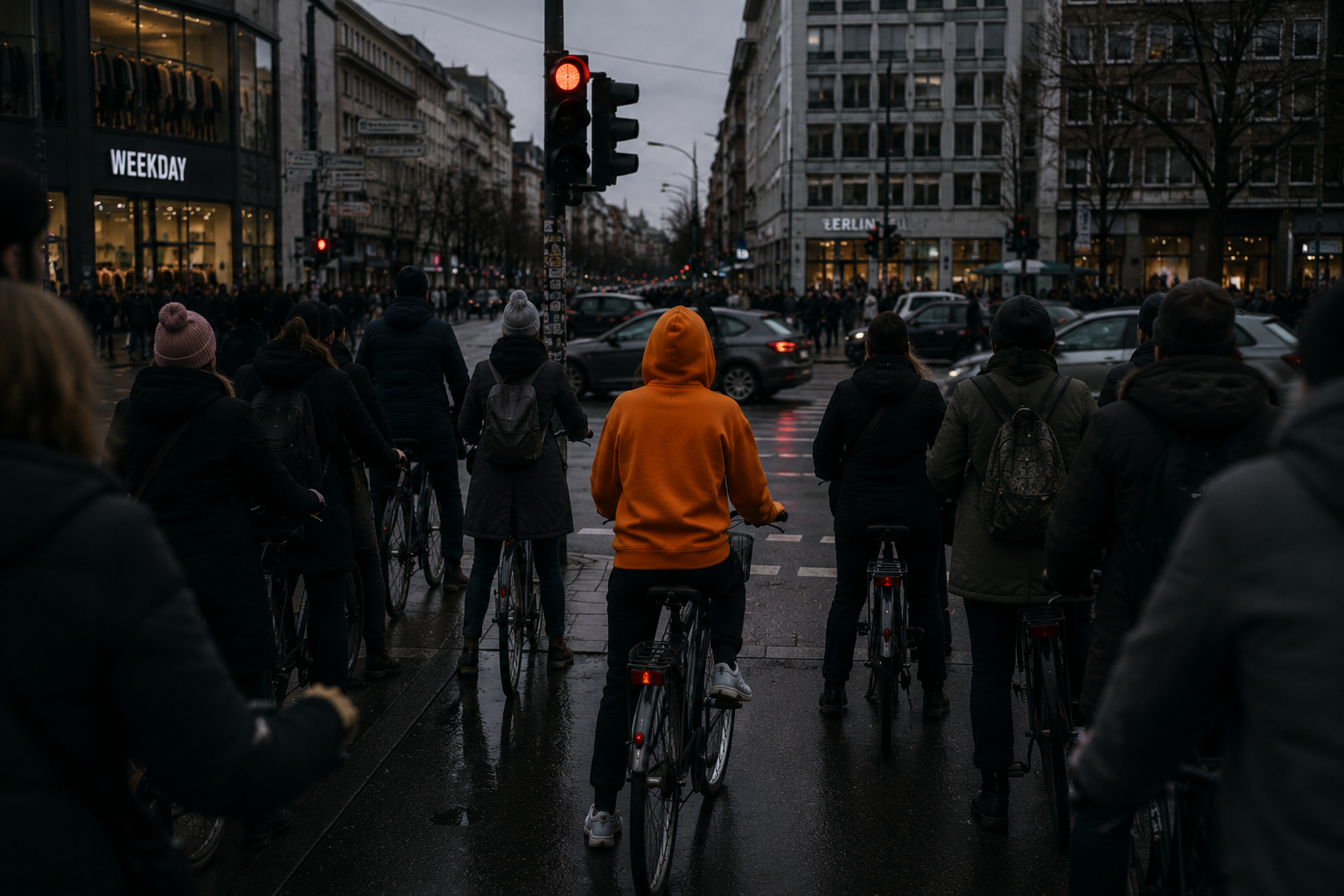
noSHberlin-Color as Presence
Every winter, Berlin turns grey. Days become shorter, darkness arrives early, and the city develops a different rhythm. Yet much of its cultural life emerges from exactly these conditions. Clubs, studios, bars, and improvised spaces become forms of resistance against the season.

noSH-Made for Different Bodies
Body inclusion is part of the noSHBerlin project. If the label speaks about the distance between the center and the edges, that also includes the body. Made for different shapes, sizes, weights, and presences, noSHBerlin refuses the narrow fashion image of who clothing is supposed to fit, represent, or celebrate — without treating larger bodies as exceptions.

noSH — Distance from the Center to the Edges
At the center of noSHBerlin is the idea of distance between the center and the periphery — geographic, social, and psychological. Growing up outside the places where culture is officially presented creates a different way of seeing, where identity forms through movement, reinterpretation, and distance. For noSH Berlin, the periphery is not a lack, but a place where culture mutates and subcultures emerge. Rooted between Lisbon and Berlin, the project transforms this suburban experience into clothing shaped by tattoo culture, memory, color, and everyday life.
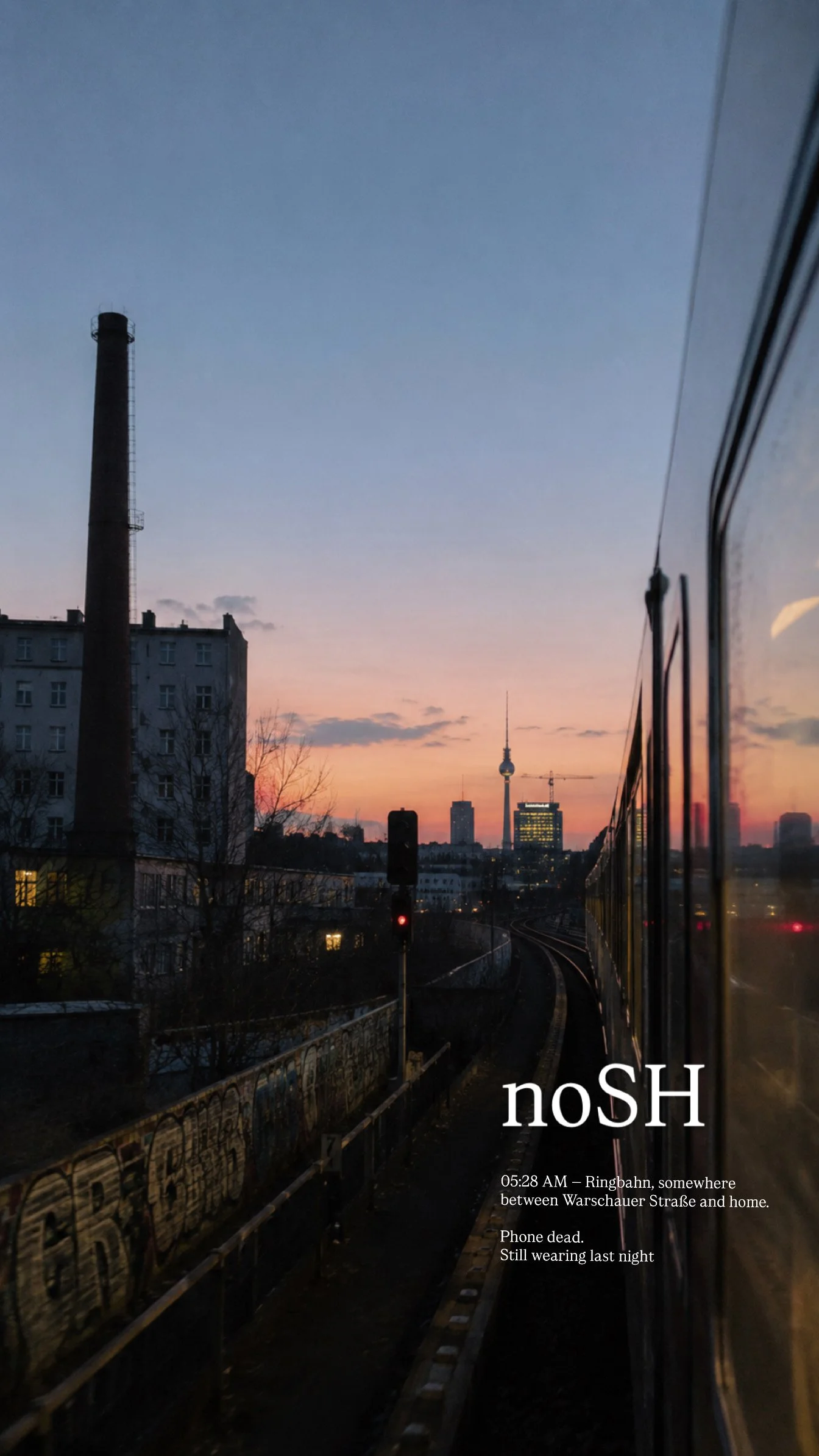
noTATTOO Shop — First Release
noSHBerlin is a tattoo-inspired label born from the world of jorgedacruzArtwork and noTATTOO_Berlin. Built around quality rather than quantity, the project creates limited hoodies and garments with attention to material, embroidery, color, and construction.The designs often begin as tattoo drawings before moving from skin to fabric.Rooted between the center and the periphery, noSHBerlin reflects an urban and suburban experience where distance becomes identity, and where clothing carries memory, durability, and personal meaning.
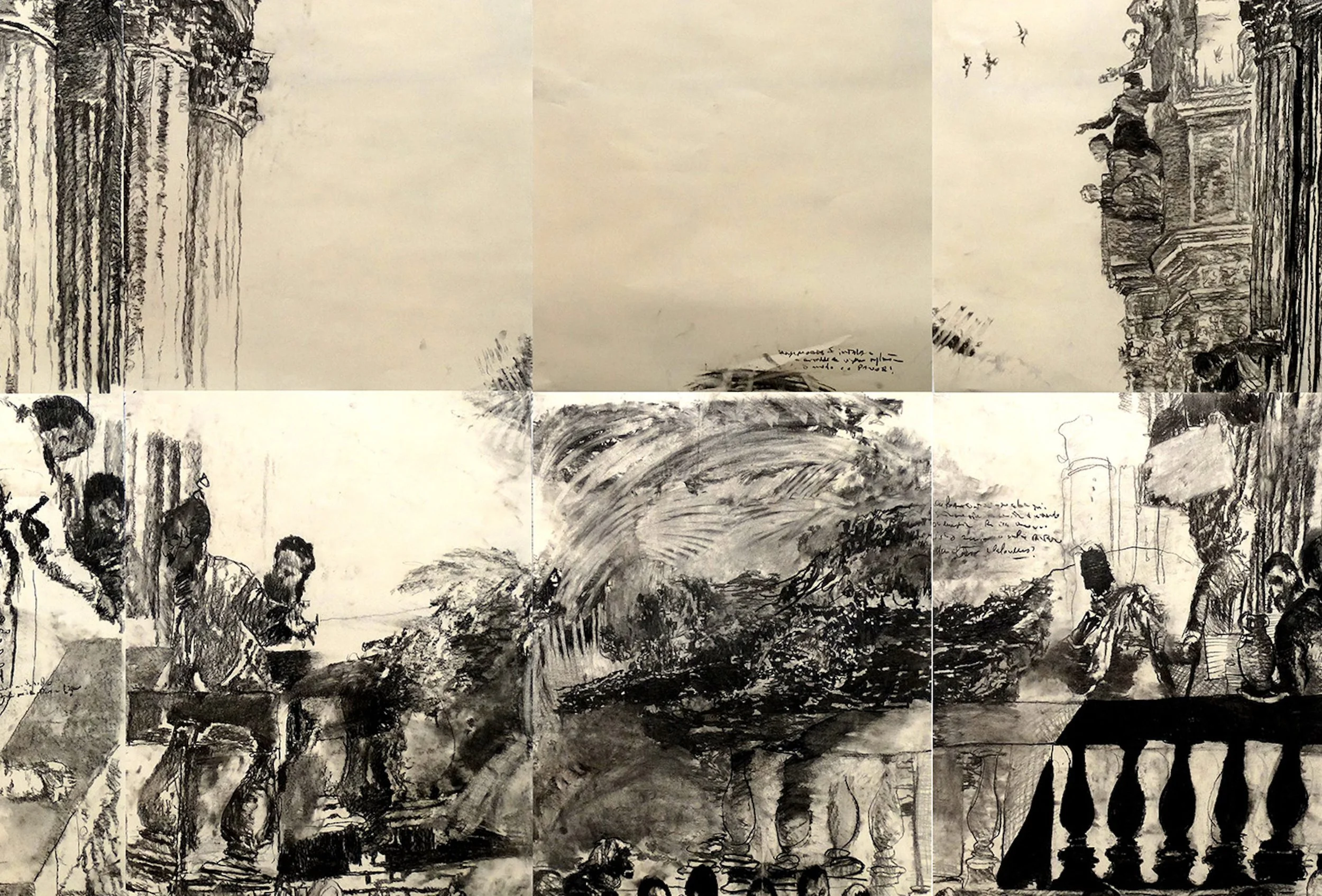
After Cana or The World Creation, 2018
Jorge Da Cruz’s After Cana may be read as a silent act of sabotage directed at Paolo Veronese’s The Wedding at Cana. Veronese’s scene stages Renaissance abundance—architecture, luxury, silk, and the miracle that turns water into wine. Da Cruz retains the banquet and the crowd, but empties them of jubilation. Here the miracle is reversed: water rises across the tessellated floor toward the guests, who continue to raise their glasses, determined to remain inside the illusion of the feast. Celebration and foreboding now share the same table.
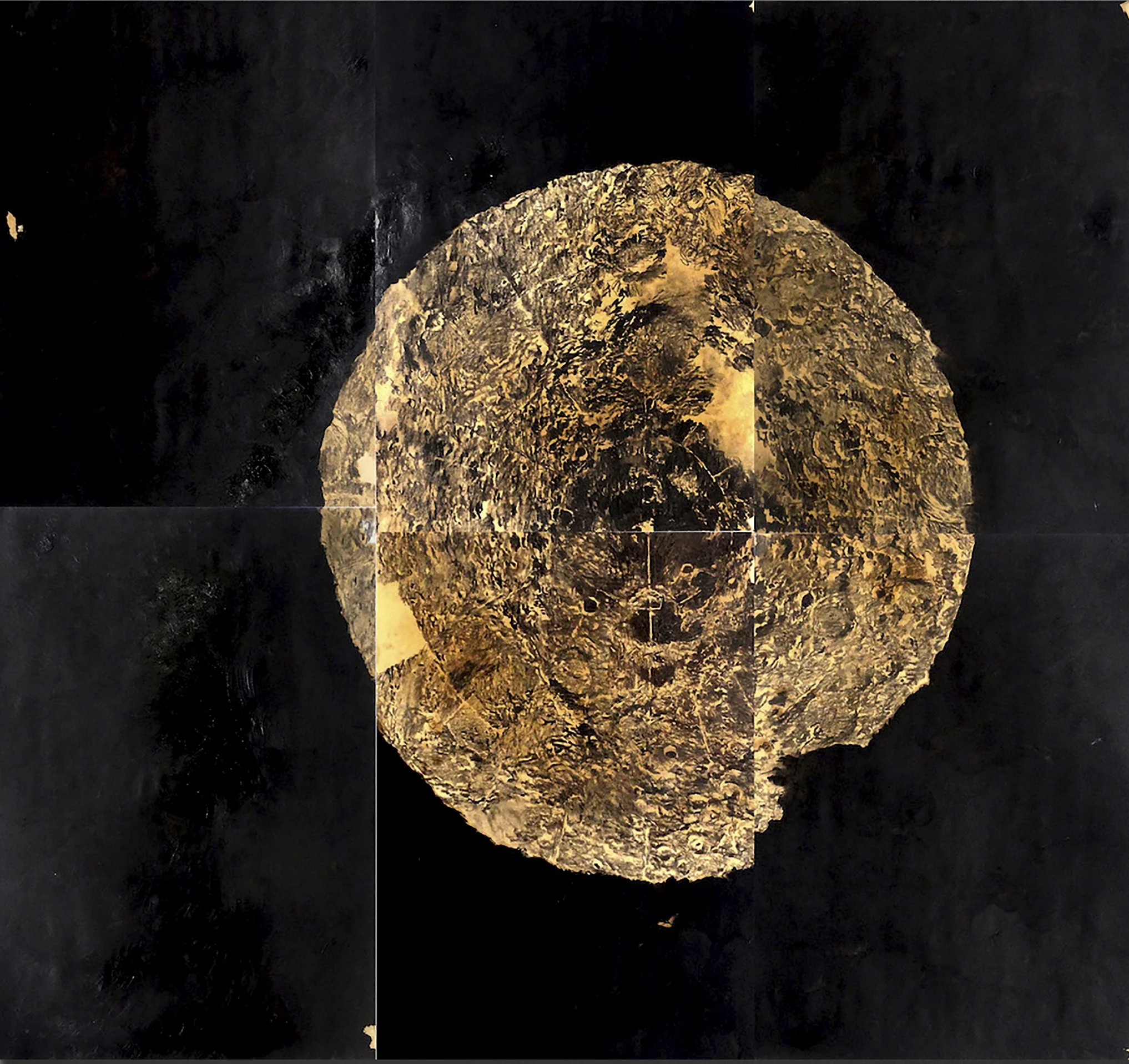
Drawing Notes from the Far Side of the Moon
This text introduces Drawing Notes from the Far Side of the Moon, a series of drawings by Jorge da Cruz inspired by the hidden hemisphere of the Moon. Because of tidal locking, the same lunar face always turns toward Earth, leaving the far side unseen until the first photographs in 1959. Moving between astronomy and imagination, the text reflects on this invisible terrain as a metaphor for perception and distance. The drawings approach the Moon not as a scientific object, but as a space for reflection on the unseen, the distant, and the landscapes that exist beyond our direct view.
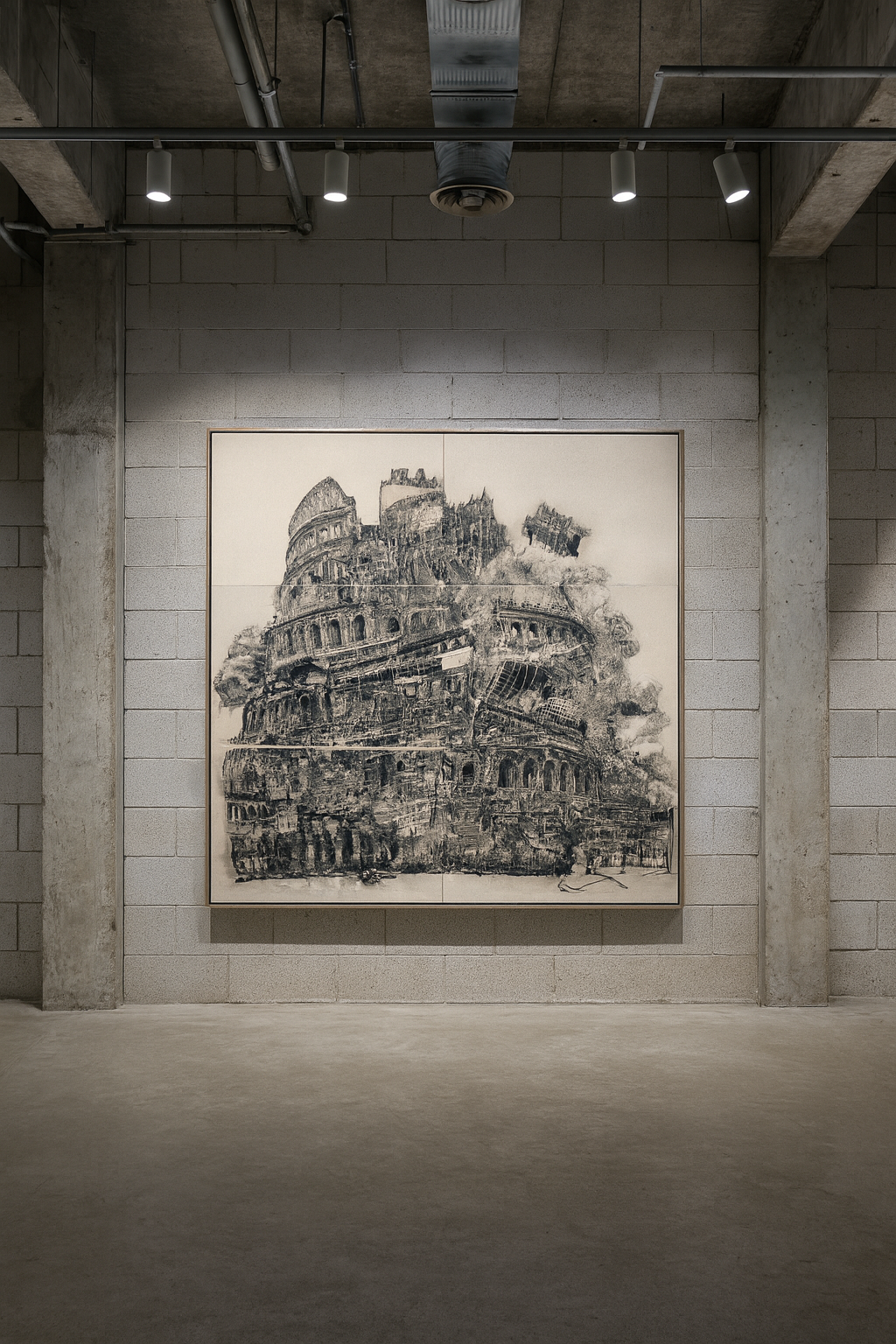
Deconstructing Babel Through Charcoal - On Drawings of Jorge da Cruz
In this text, the author reflects on Jorge da Cruz’s charcoal series Deconstructing Babel through Charcoal. Drawing on the visual legacy of Pieter Brueghel the Elder, the works revisit the myth of the Tower of Babel as a fragile structure built through repetition, ambition, and collapse. Through dense charcoal textures, the tower appears layered with time and effort, suspended between construction and ruin. The text reads the drawings as a meditation on human aspiration and its limits, where history, memory, and the persistent urge to build continue to resonate within the image.
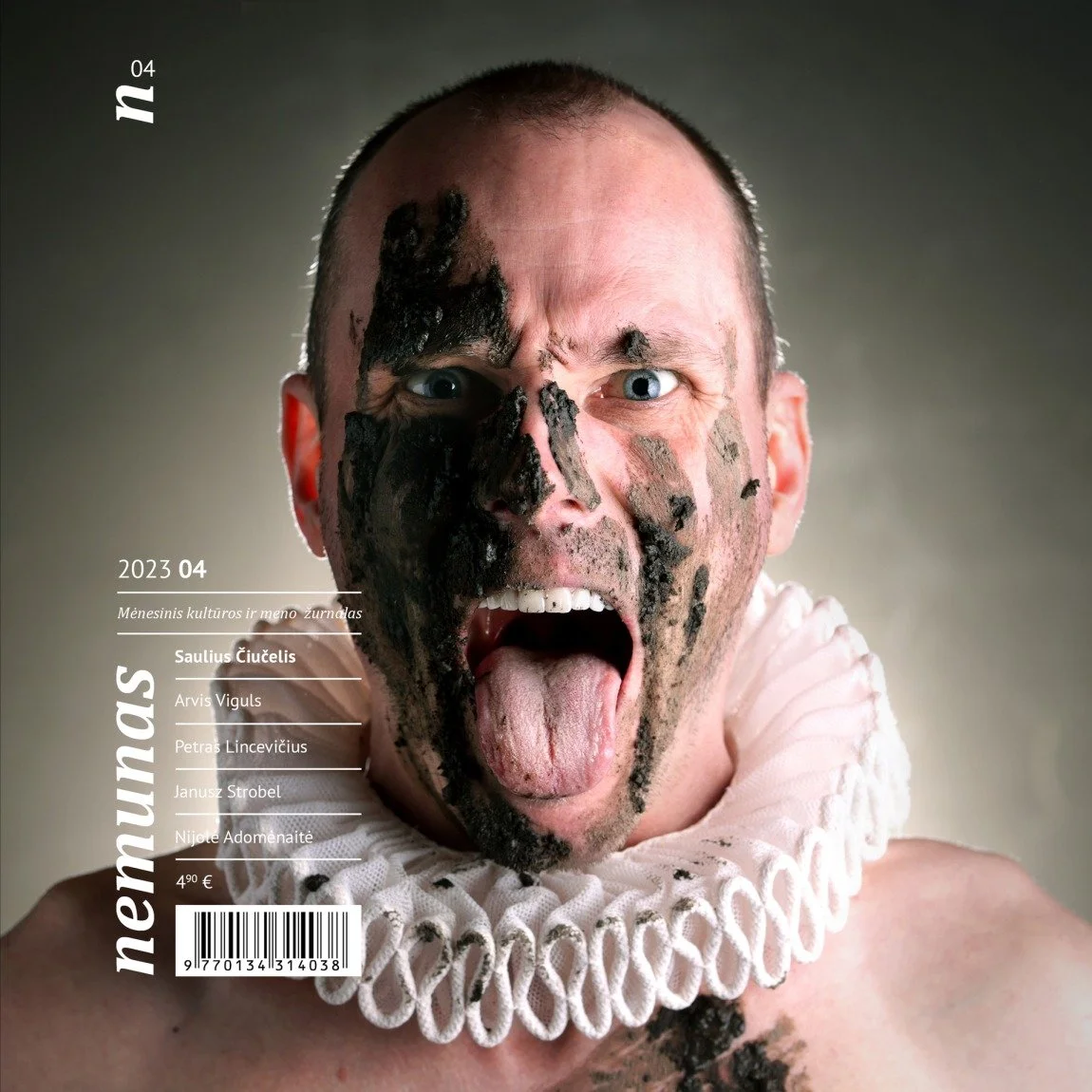
Landscape — Drawings by Jorge da Cruz in Nemunas Magazine (2023)
Published in the Lithuanian magazine Nemunas (Issue 2023/04), this text accompanies a selection of drawings by Jorge da Cruz and reflects on the idea of landscape through the words of Bernard Lassus. Landscape appears not as a fixed place but as a sequence of fragments—objects, memories, and perceptions that together form a temporary image. Moving between observation and imagination, the text suggests that landscape is less a stable view than a sensory event, where visible elements and inner experience merge to create a fleeting and subjective reality.
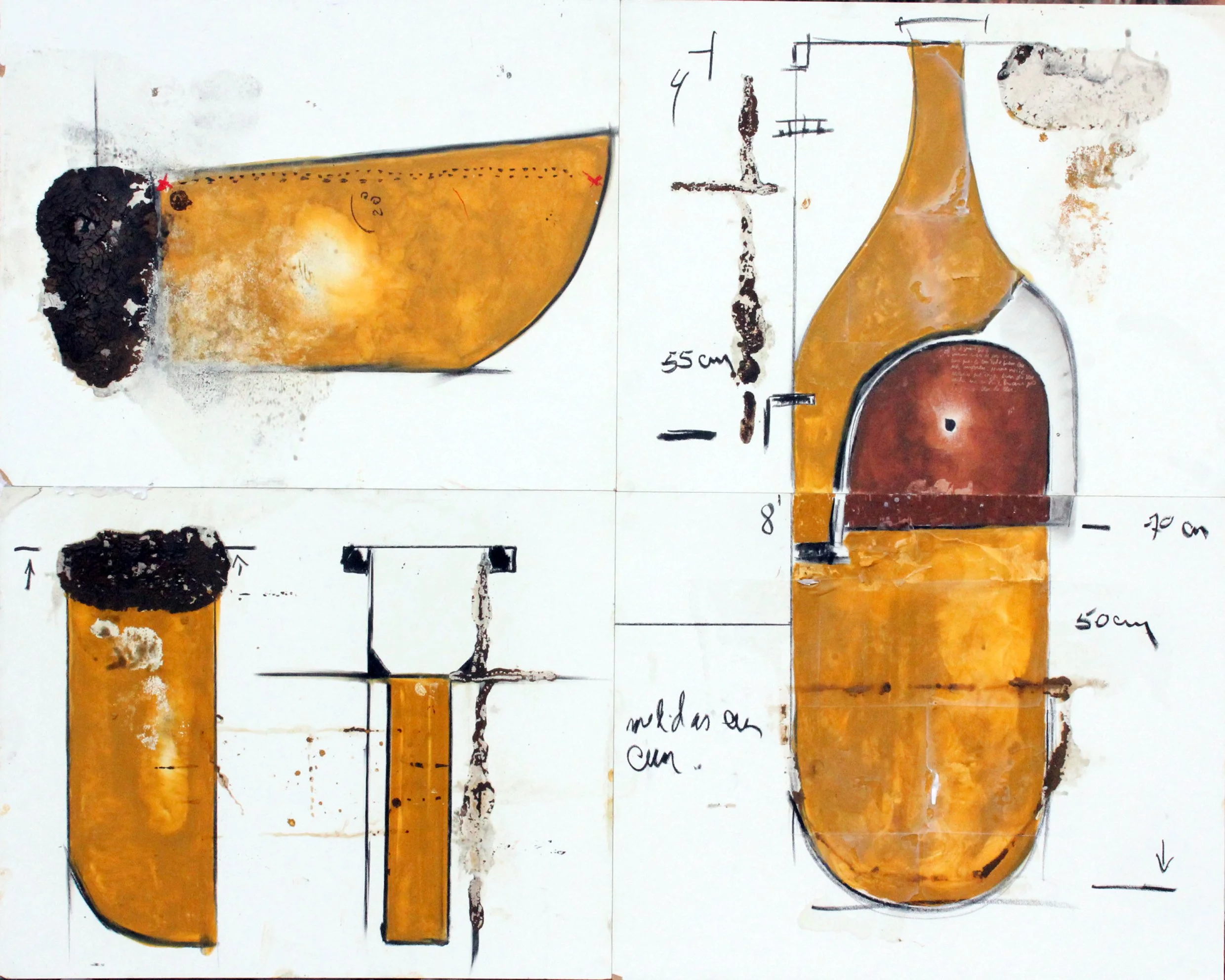
Plans to Build a Boat
Plans to Build a Boat begins with a small handmade photo album found at a Berlin flea market, dated 1937. Its quiet images of a family by a lake contrast with the intensity of life in Berlin and spark a simple question: if one had to build a boat to leave one place and reach another, without knowledge or experience, what kind of boat would that become? Some drawings and paintings already exist, but the work remains an open idea, shared while still searching for its form.
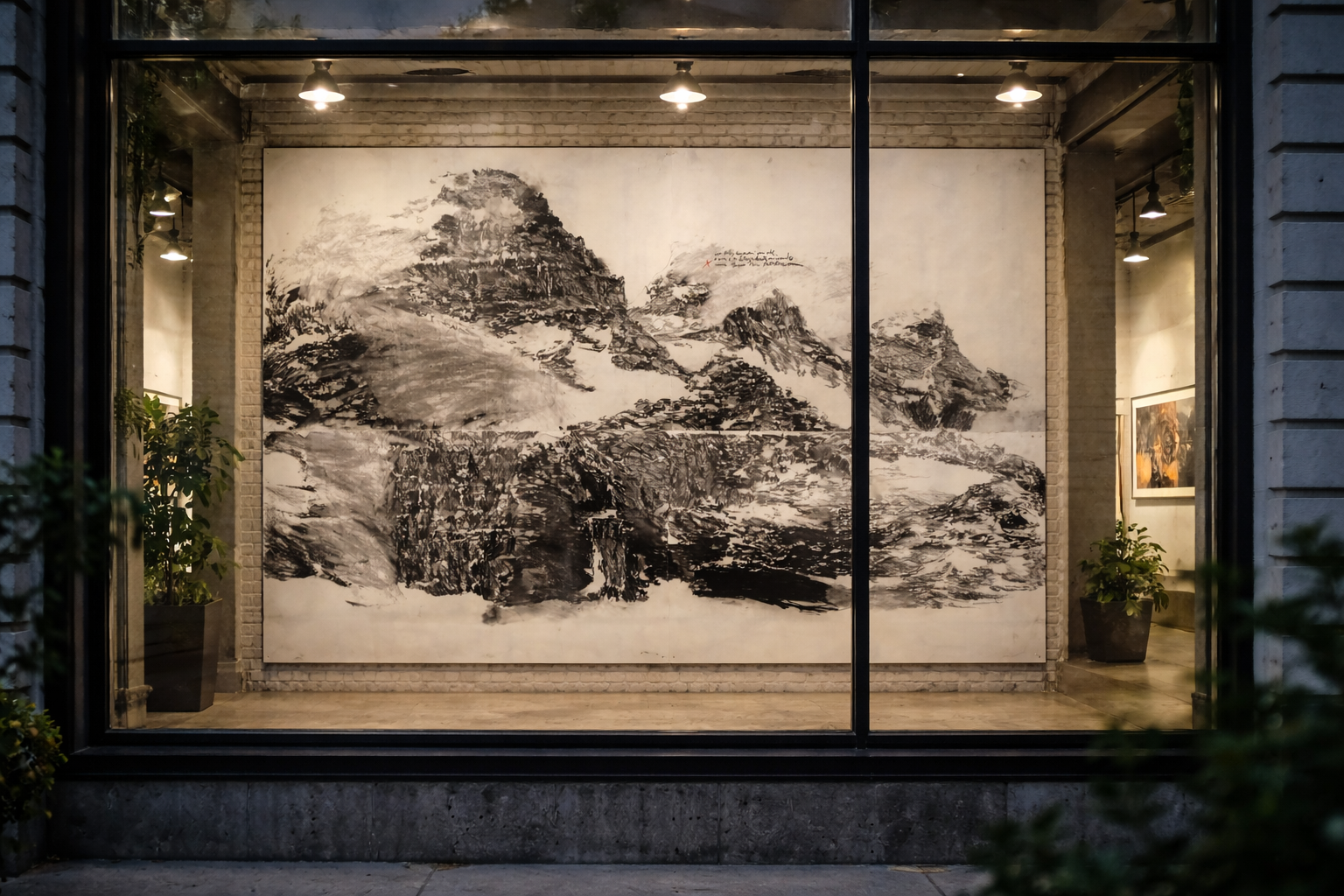
One Step Before Happiness serie
In One Step Before Happiness, Jorge Da Cruz turns to the mountain—not merely as a feature of terrain, but as a vessel of meaning. For millennia, mountains have been regarded as sacred thresholds, places where earth touched the divine. They embodied endurance and grandeur, forming a symbolic bridge between human life and what lay beyond it. In these drawings, that symbolic charge has shifted. The mountain no longer radiates transcendence; it appears worn, stripped of aura, and recast as a challenge to overcome rather than a site to revere.
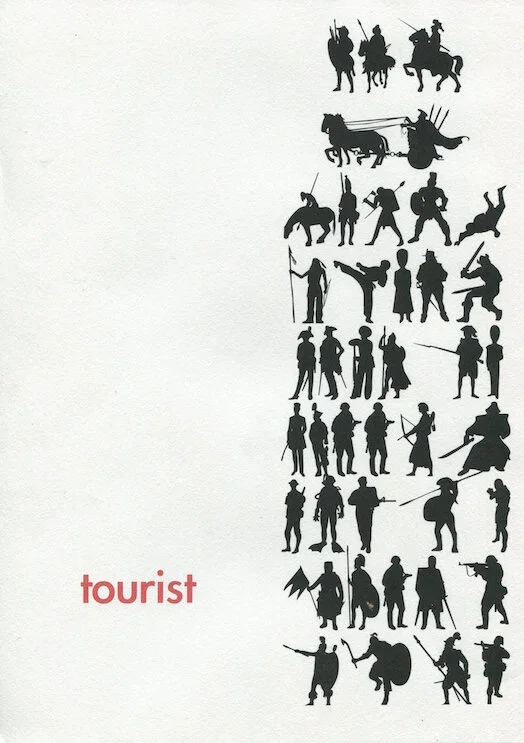
“Paradise Opens on Sundays” — Essay by Ivo do Carmo on the Work of Jorge da Cruz
In this essay, Portuguese philosopher and writer Ivo do Carmo reflects on the work of Jorge da Cruz through the idea of paradise in contemporary society. Drawing on references from Genesis and Max Weber, the text suggests that tourism and leisure have gradually replaced older religious visions of heaven. Modern paradises—resorts, dream destinations, and enclosed spaces of pleasure—mirror ancient ideas of the garden. In dialogue with da Cruz’s images, the essay explores how these cultural myths continue to shape our imagination of happiness, freedom, and the promises of a better world.
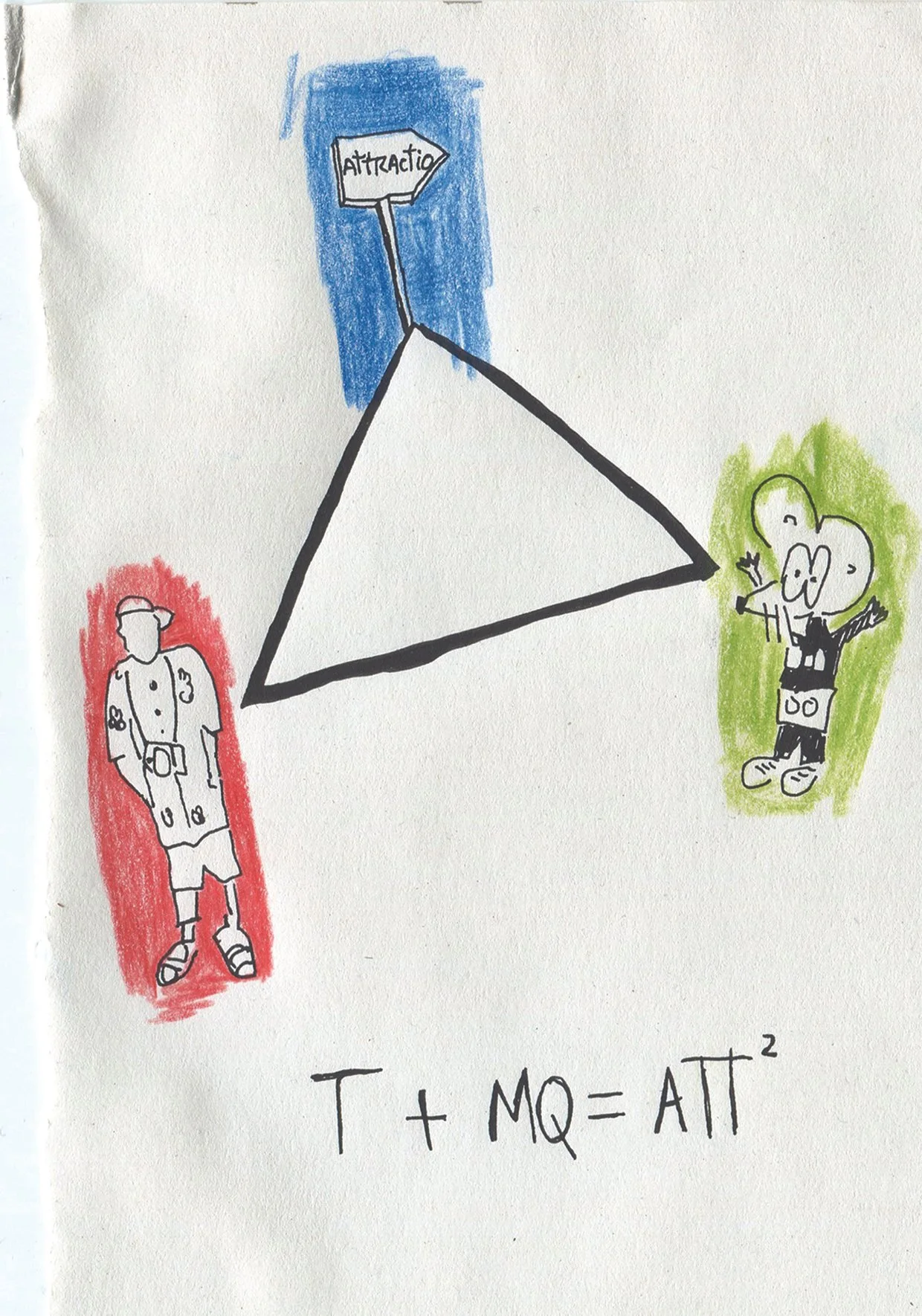
Paradise Opens on Sundays Essay Ivo do Carmo
This text by the Portuguese philosopher Ivo do Carmo reflects on the work of Jorge da Cruz through the idea that, in contemporary society, tourism has replaced heaven as the modern image of paradise. Drawing on references from Genesis to Max Weber, the essay explores how leisure, travel, and consumer culture reshape older religious promises. In dialogue with the artist’s images, the text proposes that today’s paradises—tourist resorts, enclosed gardens, and dream destinations—mirror humanity’s ongoing search for meaning, happiness, and redemption in a secular world.
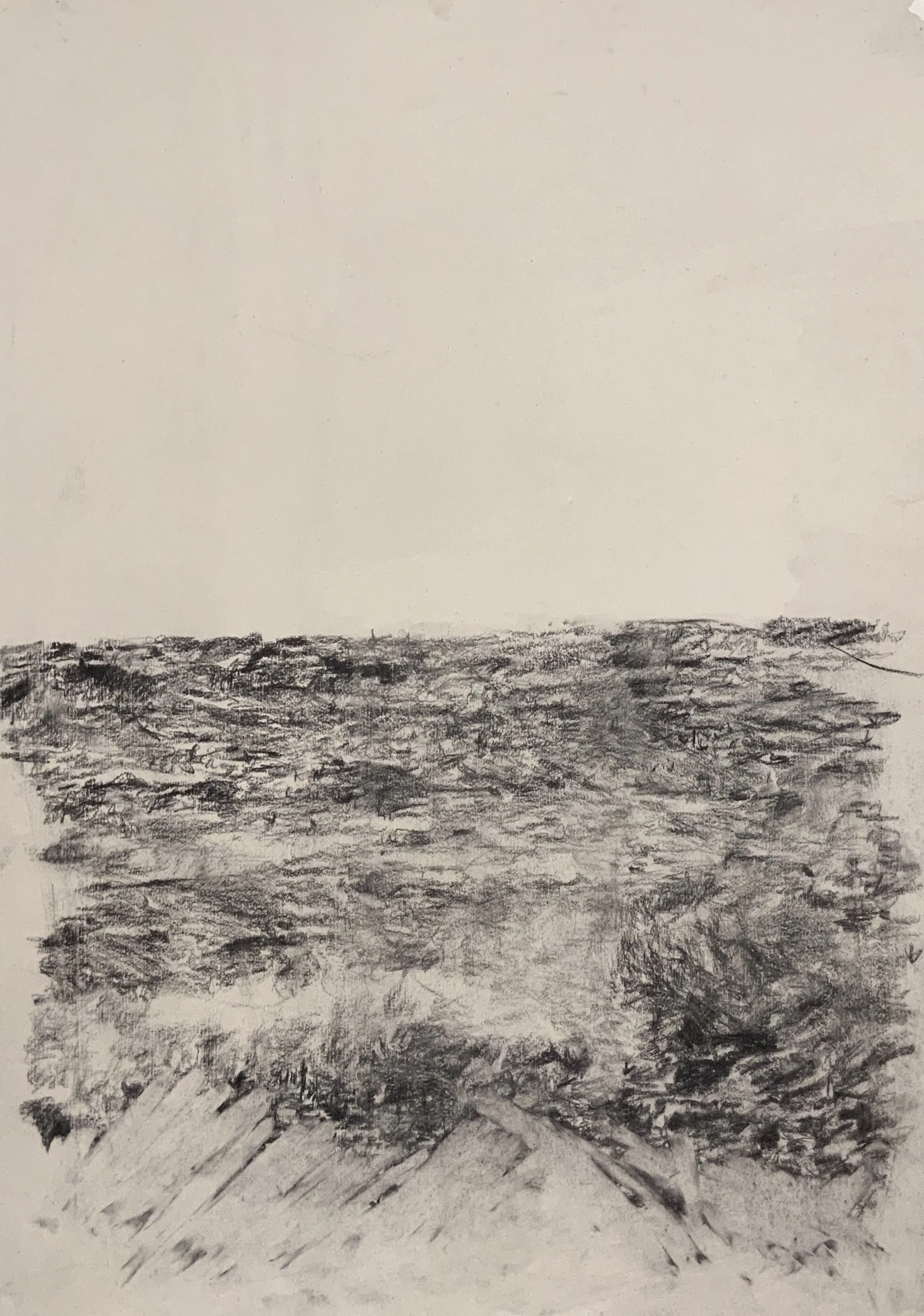
Seeing Through the Charcoal
In this text, Jule Graf reflects on the charcoal drawings of Jorge da Cruz through the idea of framing—both the image and the act of looking. The works appear suspended between presence and absence, where figures, spaces, and thresholds emerge from layers of shadow and light. Using charcoal’s soft textures and deep blacks, the drawings leave room for ambiguity and silence. Rather than telling a clear story, they invite slow observation and reflection, opening a space where memory, perception, and emotion quietly shape the viewer’s experience of the image.
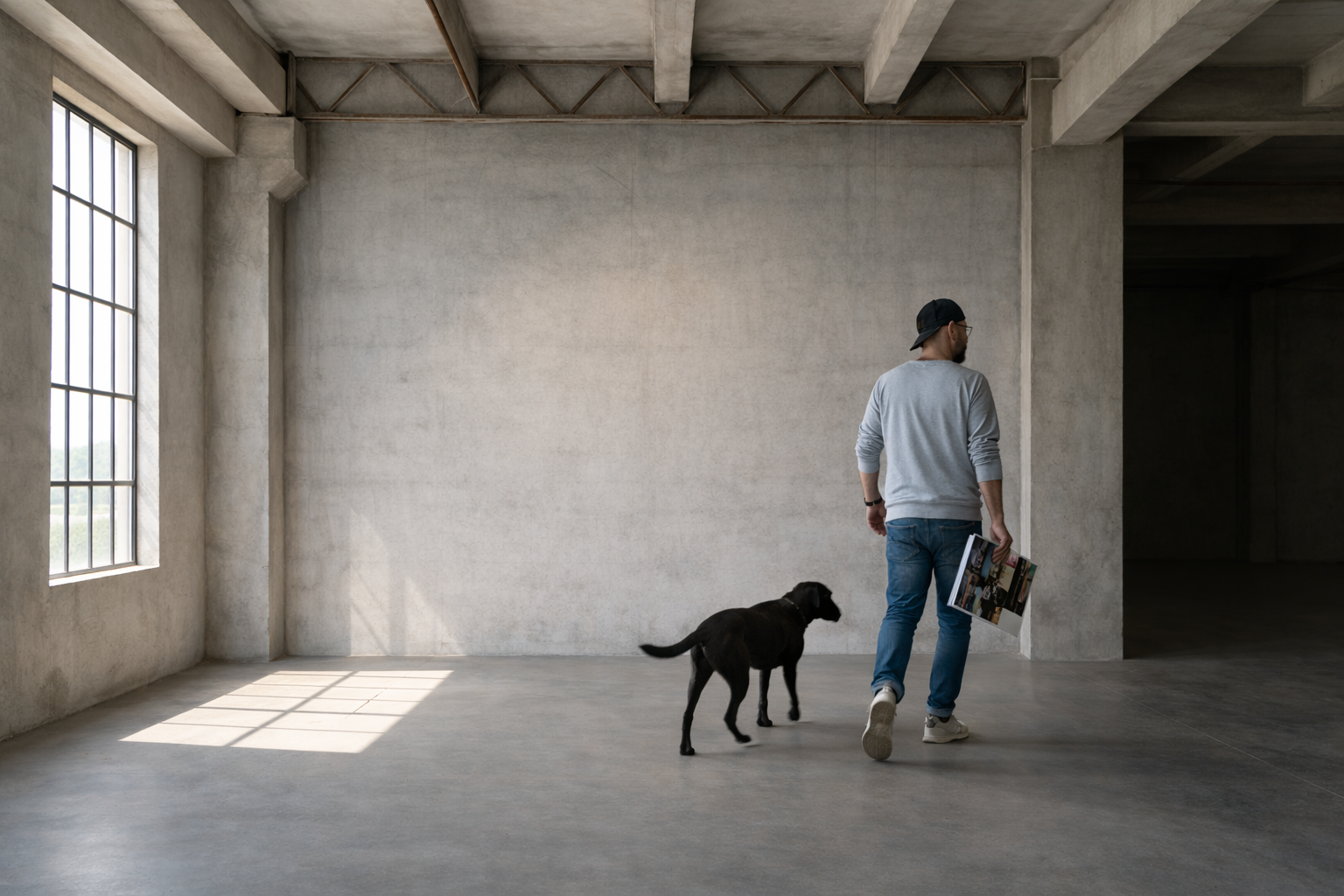
Bethanien, or Berlin’s Cultural Machine
If the city of Berlin breathes art and culture, then Bethanien is undoubtedly part of its respiratory system. These “lungs of the city,” where living off art is still possible, resemble a miniature Berlin: steeped in history, shaped by many nationalities, and filled with art and culture across disciplines, even down to its graffiti-covered walls. Within this cultural machine, the artist Jorge da Cruz found his own place, developing his work in a setting where histories, languages, and artistic energies continuously intersect and resonate.
Heidrun Hubenthal-Paradise Open on Sundays
This text presents the introductory speech by Heidrun Hubenthal for Jorge da Cruz’s exhibition at Buchoase in Kassel in 2012. The presentation reflects on the dialogue between the artist’s images and a philosophical text by Ivo do Carmo titled Paradise Is Open on Sundays. Through paintings, photographs, and printed documents, the exhibition explores the modern idea of paradise—between tourism, enclosure, and illusion. Moving between religious imagery, political landscapes, and everyday symbols, the works question how contemporary society imagines and pursues its own versions of paradise.
Vivars interview JorgedaCruz
This interview captures a moment in the path of Jorge da Cruz, shaped by years of moving between Portugal, Brazil, Morocco, India, and Germany. During this period, the artist lived through a series of temporary homes and studios, absorbing the environments around him. His paintings often mirror these places, blending symbols, colours, and forms encountered along the way. Since 2011 he has been based in Berlin, working at Kunstquartier Bethanien, where this restless practice—what he calls “Travelling Art”—continues to develop between discipline, routine, and the constant search for new contexts.
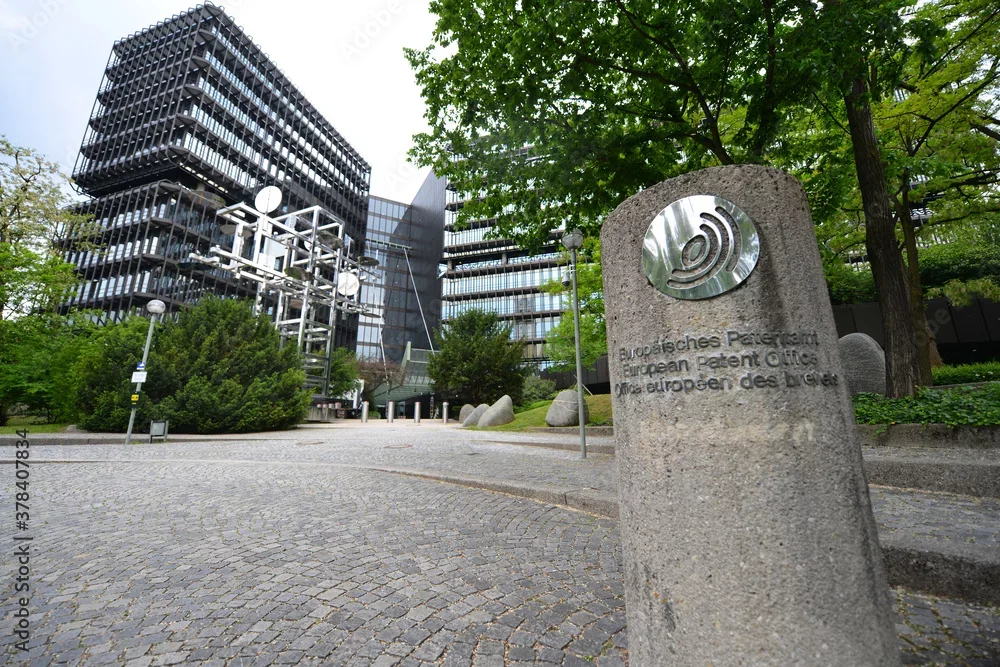
Ponts entre les cultures
Opening speech by Hermann Schifferer, President of the Cultural Club at the European Patent Office in Munich, for Jorge da Cruz’s exhibition Ponts entre les cultures (2011). In this text, Schifferer reflects on works that connect symbols and visual languages from different religious traditions. Through collages and painted compositions, elements from Buddhism, Christianity, Islam, and Hinduism appear side by side, creating unexpected dialogues and inviting the viewer to discover new relationships between cultures.