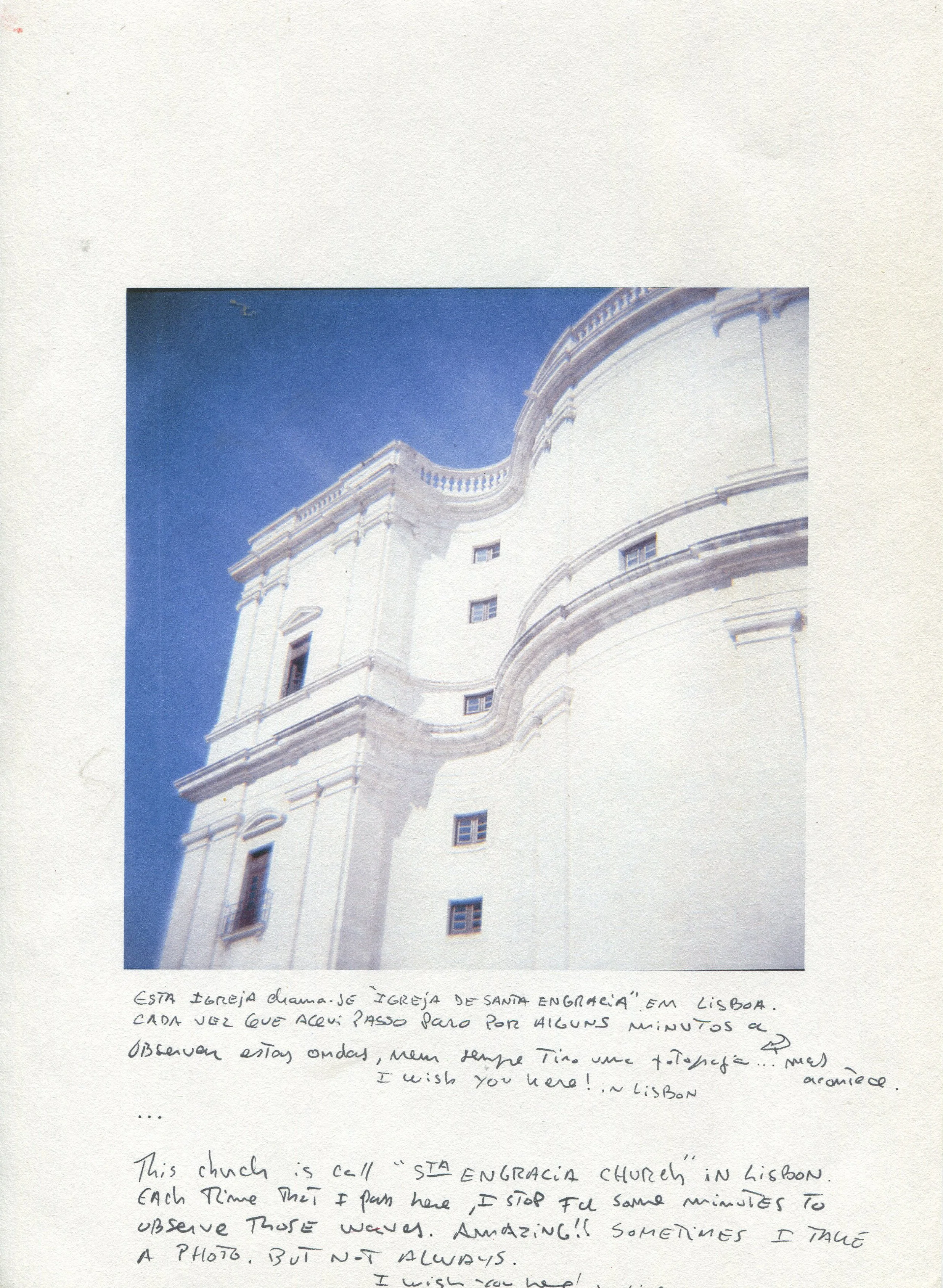
An attempt to understand where I am.
In Instant_Dystopian, Jorge da Cruz reflects on his long fascination with instant photography. Drawn to the unpredictability of instant cameras, he embraces their imperfections, delays, and unexpected results. The photographs function as fragments of a visual diary, created while moving through unfamiliar places and living far from home. Rather than seeking technical perfection, the images capture immediate reactions to landscapes and moments. These photographs also feed back into his drawing practice, shaping the atmosphere and emotional textures that later emerge in his charcoal works.
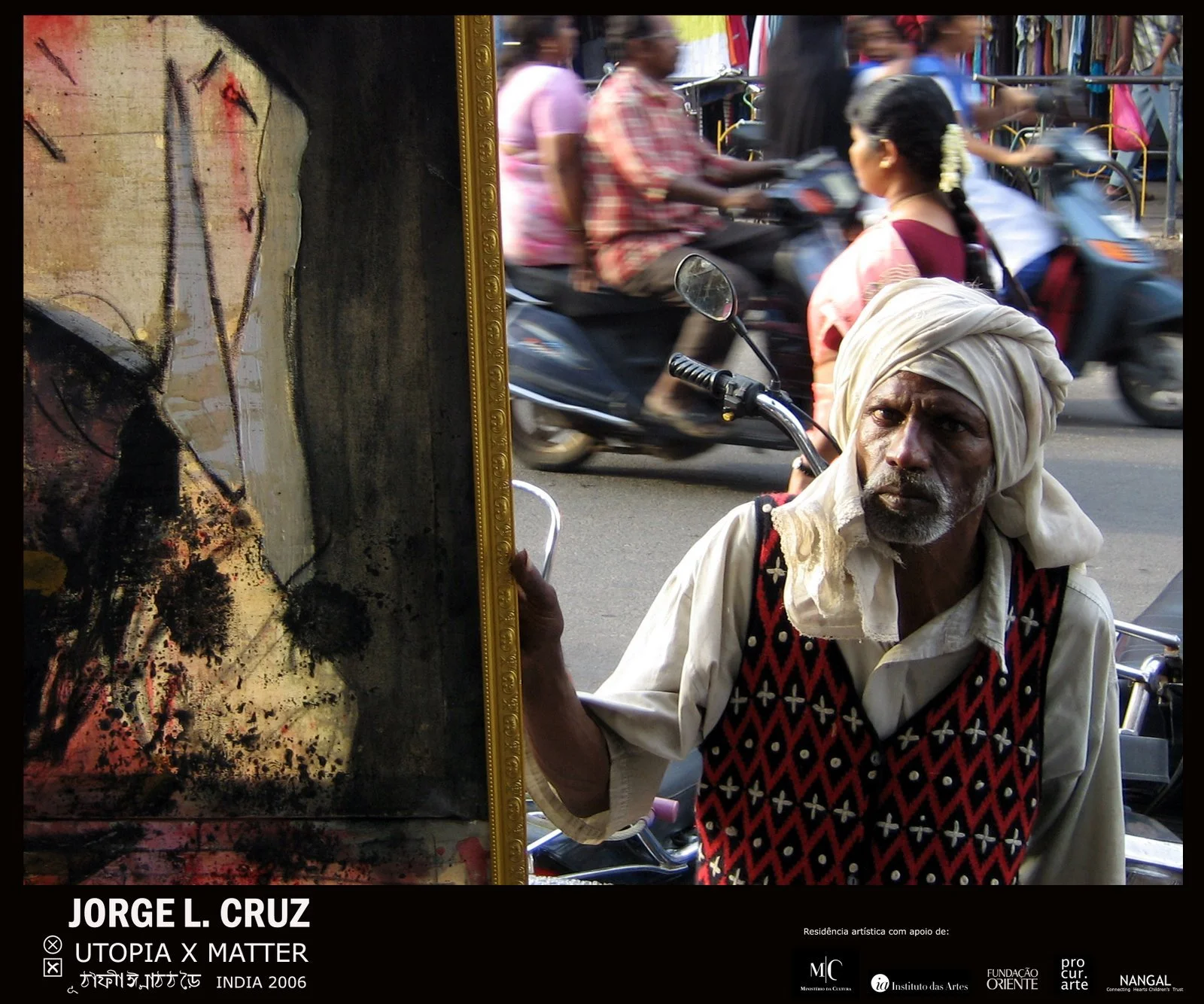
Exibition text ”utopia x matter” Kassel
Jorge da Cruz reiste im Jahr 2006 nach Auroville in Tamil Nadu, Südindien. Dort lebte und arbeitete er drei Monate lang und recherchierte zu Materialien, die direkt vor Ort für Dekoration oder religiösen Kult verwendet werden. Dabei stieß er auf eine große Vielfalt: von Stempeln über Gesichtsmalfarbe bis hin zu Tempelfarben sammelte er alles, was ihm begegnete. Dieser Aufenthalt wurde zu einer intensiven materiellen Recherche und prägte seinen Blick auf lokale Bildsprachen, Rituale, Oberflächen und Formen des Alltags nachhaltig bis heute.
A Poetic Geography of Memory, 2010
In this text, Berna Valada reflects on My Integration Documents: A Poetic Geography of Memory, a project by Jorge da Cruz developed after his move from Lisbon to Berlin. Using photography, instant cameras, and paper works, the project explores memory, migration, and the emotional landscape of living between places. The imperfect textures of Lomo and Diana cameras echo the fragility of recollection. Rather than documenting events, the images function as fragments of experience—notes on belonging, distance, and the quiet pressure of political and personal histories shaping contemporary life.
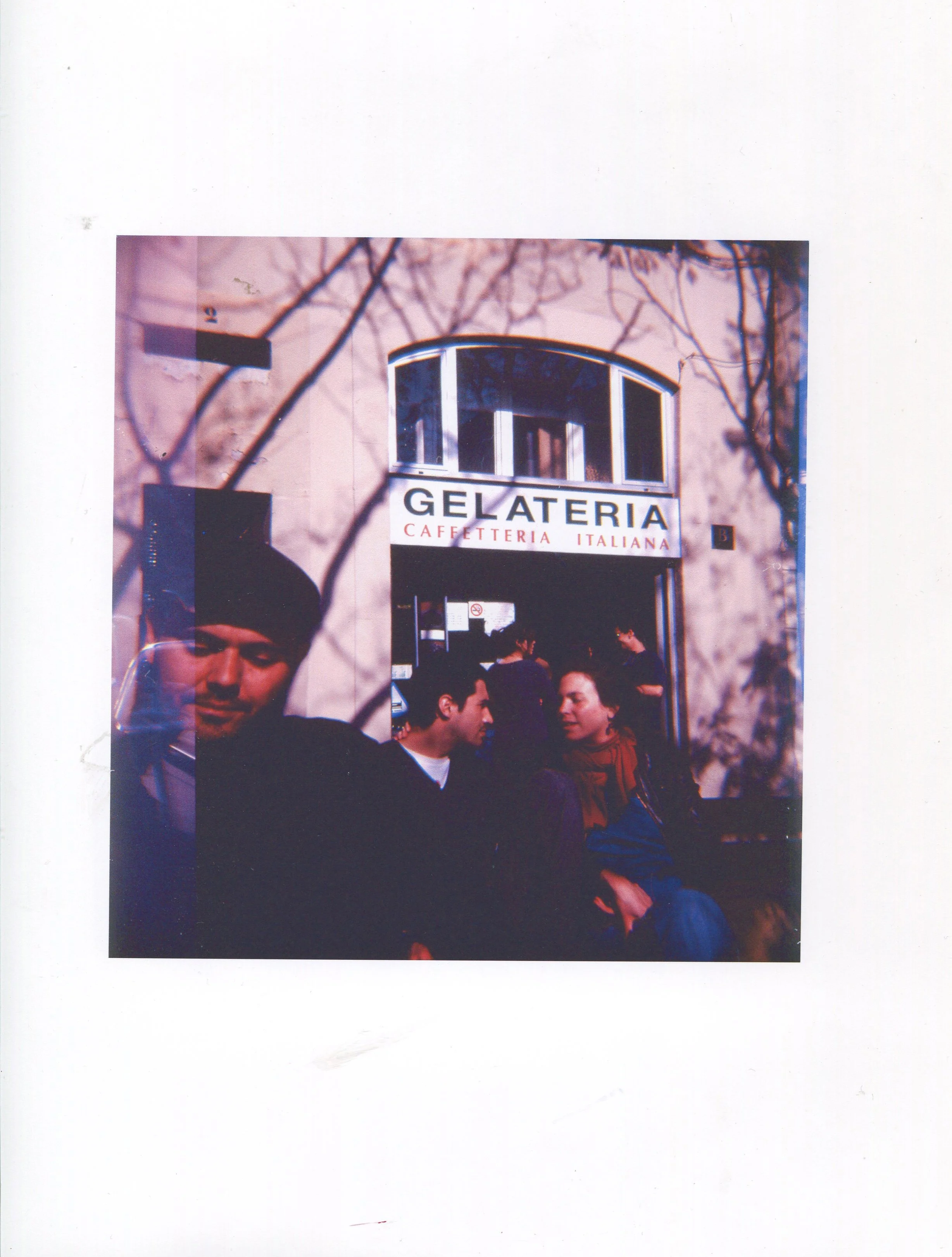
My Integration Documents — Text by Berna Valada on the Work of Jorge da Cruz
In this text, Lisbon-based writer Berna Valada reflects on My Integration Documents: A Poetic Geography of Memory, a project by Jorge da Cruz developed after his move from Lisbon to Berlin. Combining photography, instant cameras, and paper works, the series explores memory, migration, and the emotional landscape of living between places. Through imperfect images and fragments of observation, the work forms a visual essay on belonging and distance. Valada reads the project as a poetic geography where personal memory and contemporary political tensions quietly shape the artist’s perception of place.