Jorge da Cruz
Integration Documents — A Poetic Geography of Memory, 2014
Diana+ / Lomography
120 medium format film, 6 × 6
Text by noT
Integration Documents began with a single photograph taken in front of a gelateria in Barcelona during a short holiday.
It was a simple image, almost casual, but it opened the direction of the whole project. A pause during a period of transition. A small moment held by a plastic camera, grainy, imperfect, and unstable. That imperfection became central to the work.
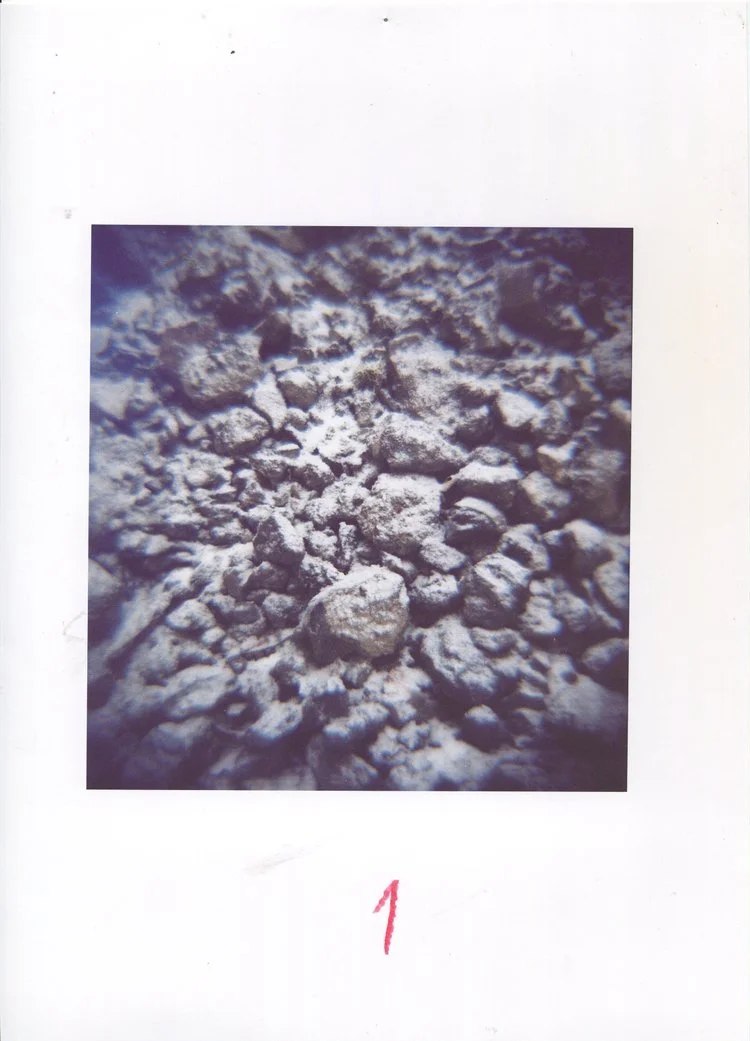
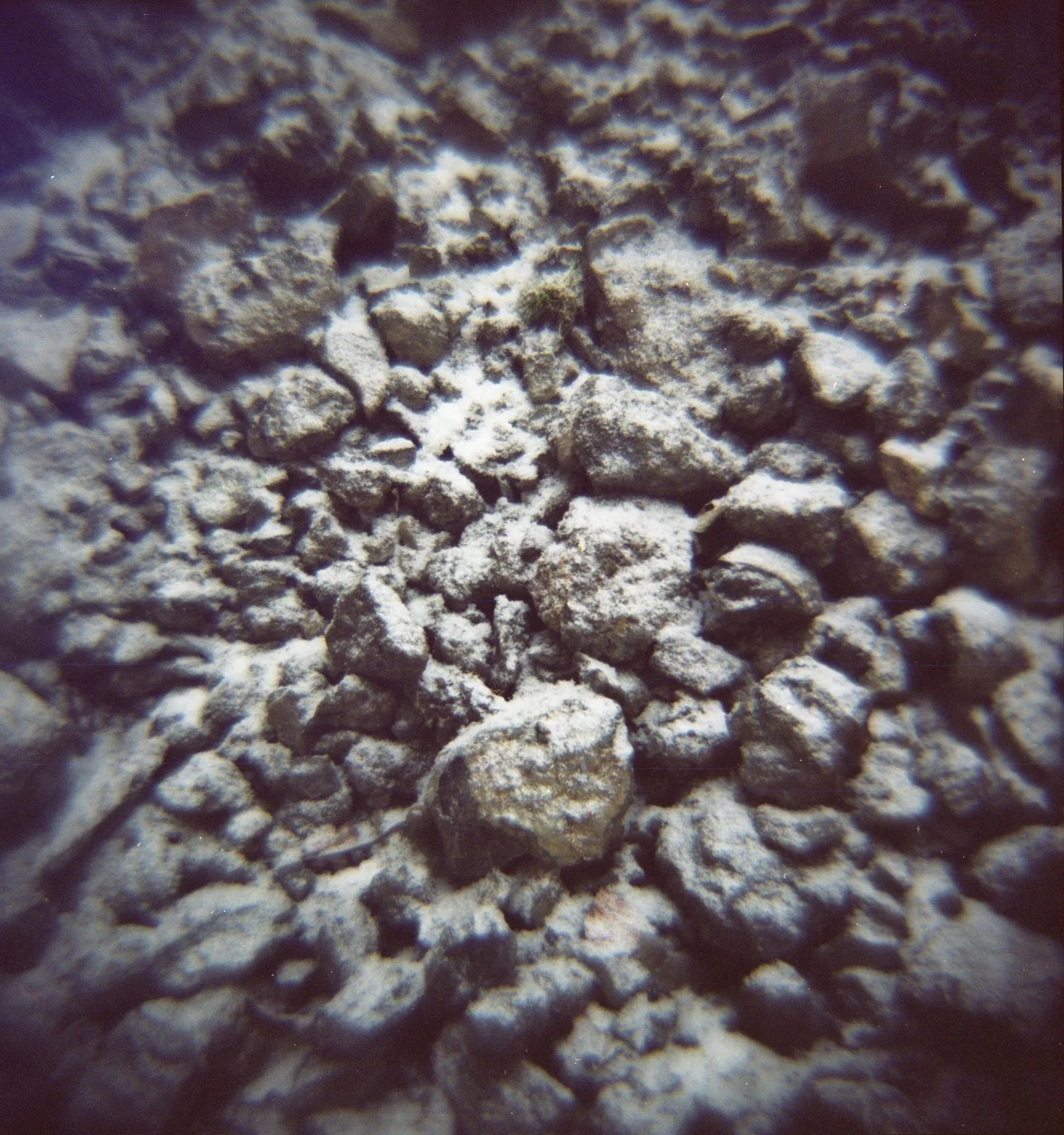
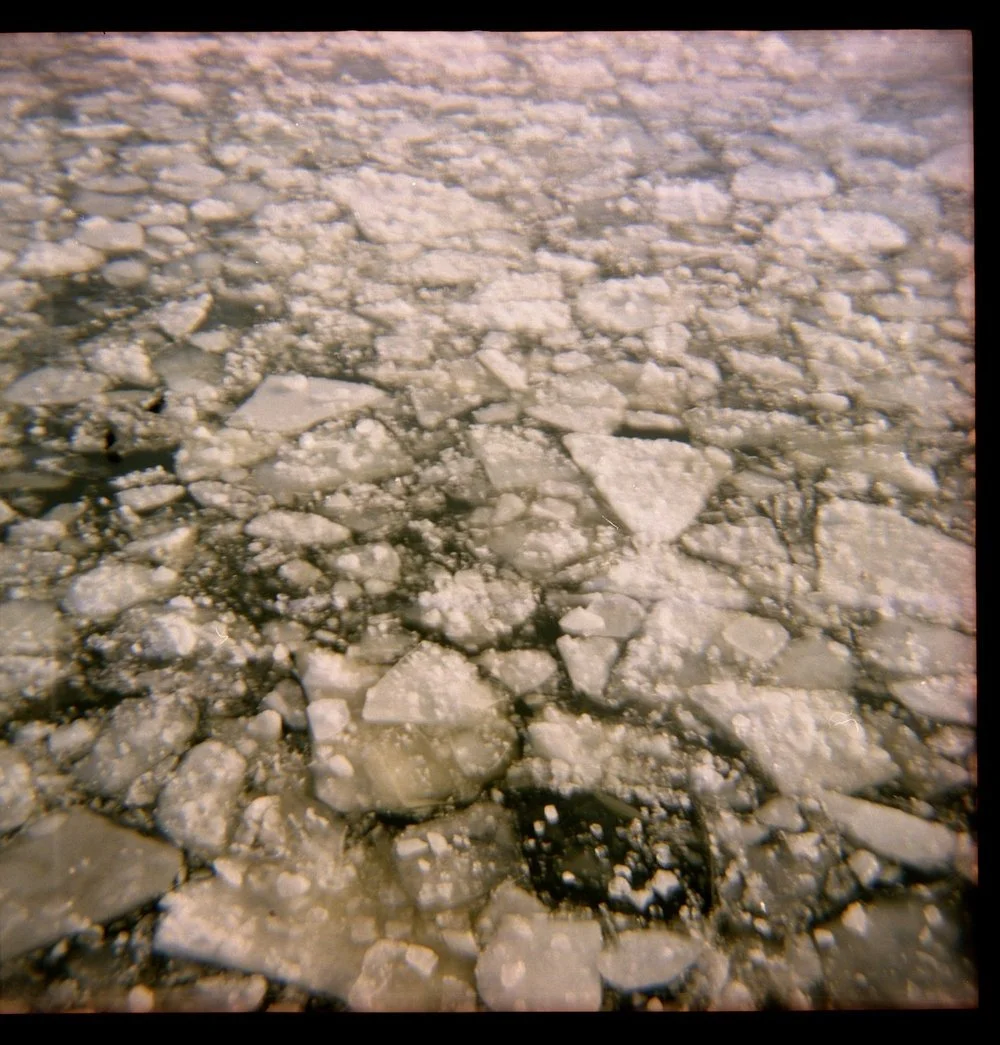
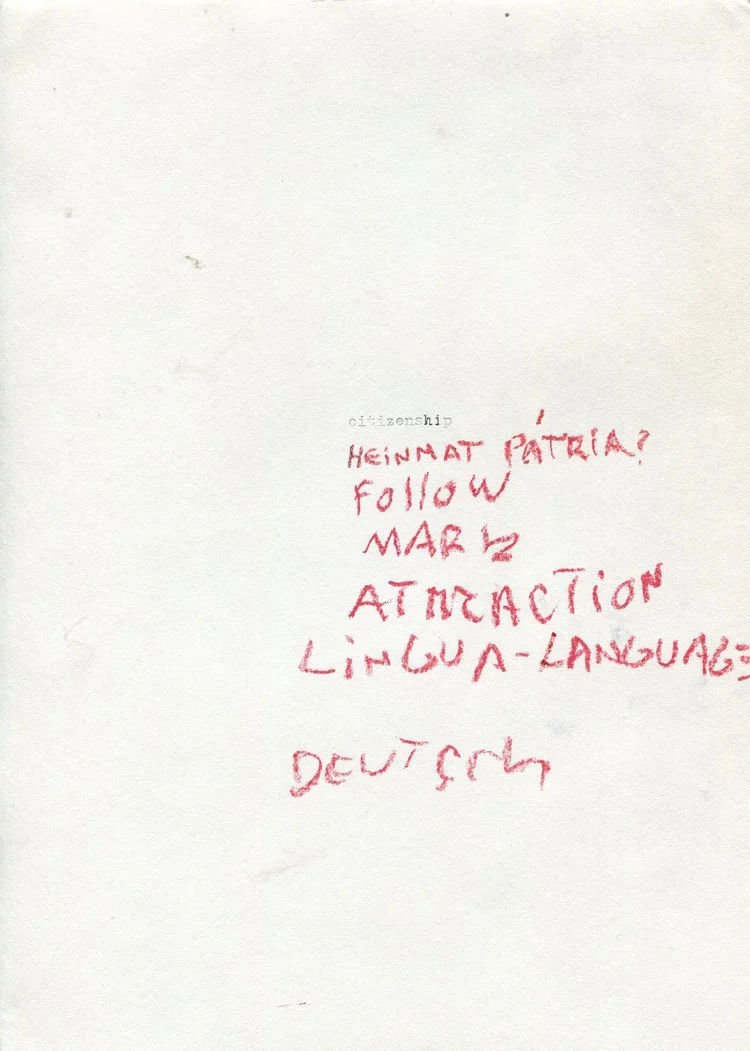
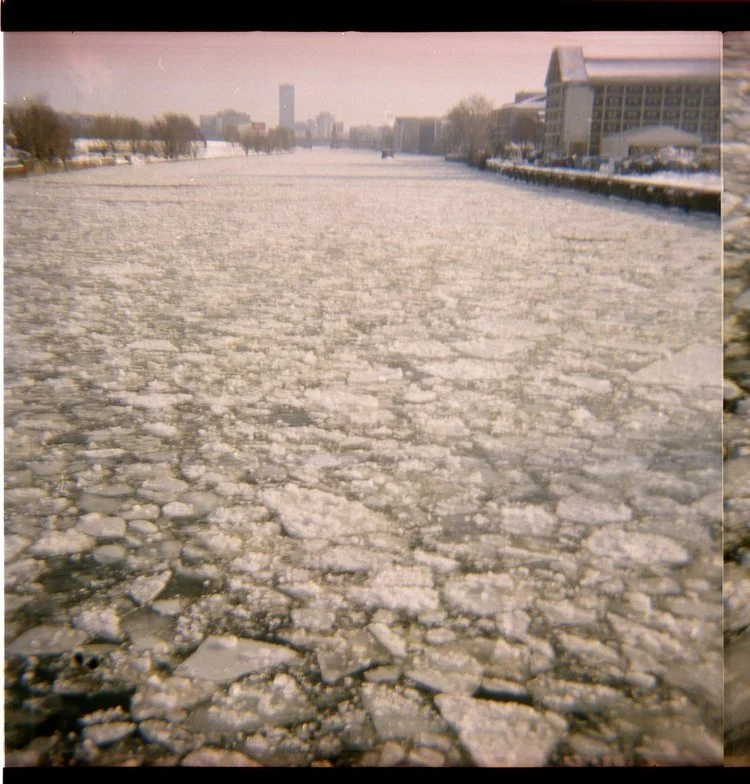
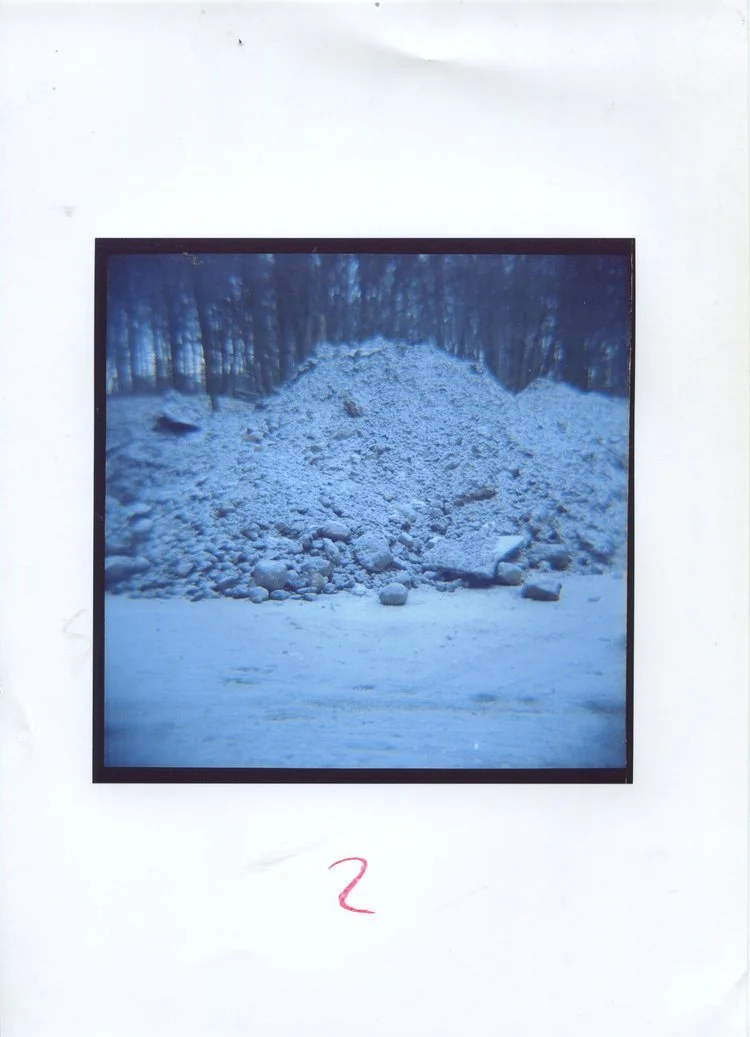
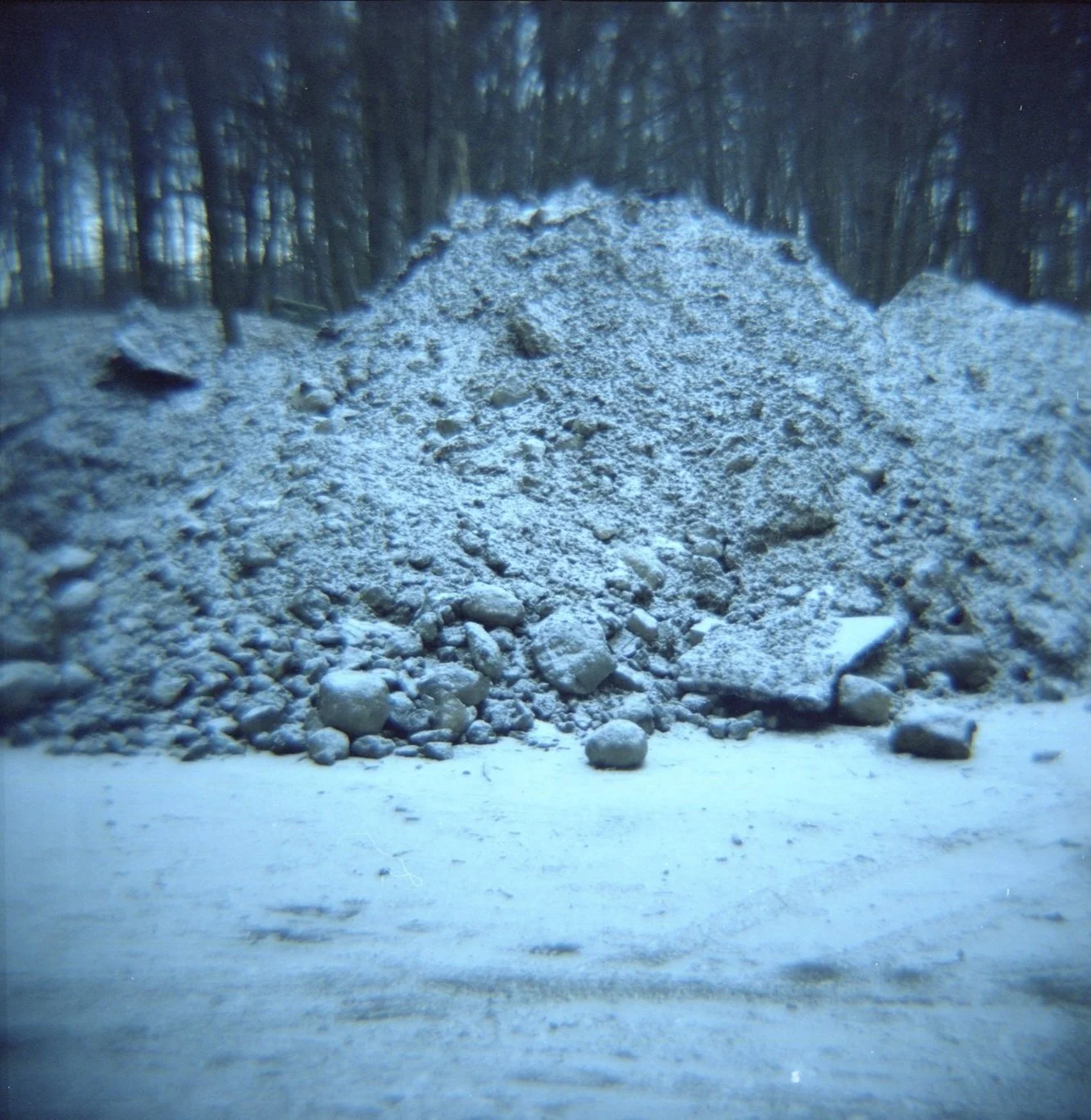
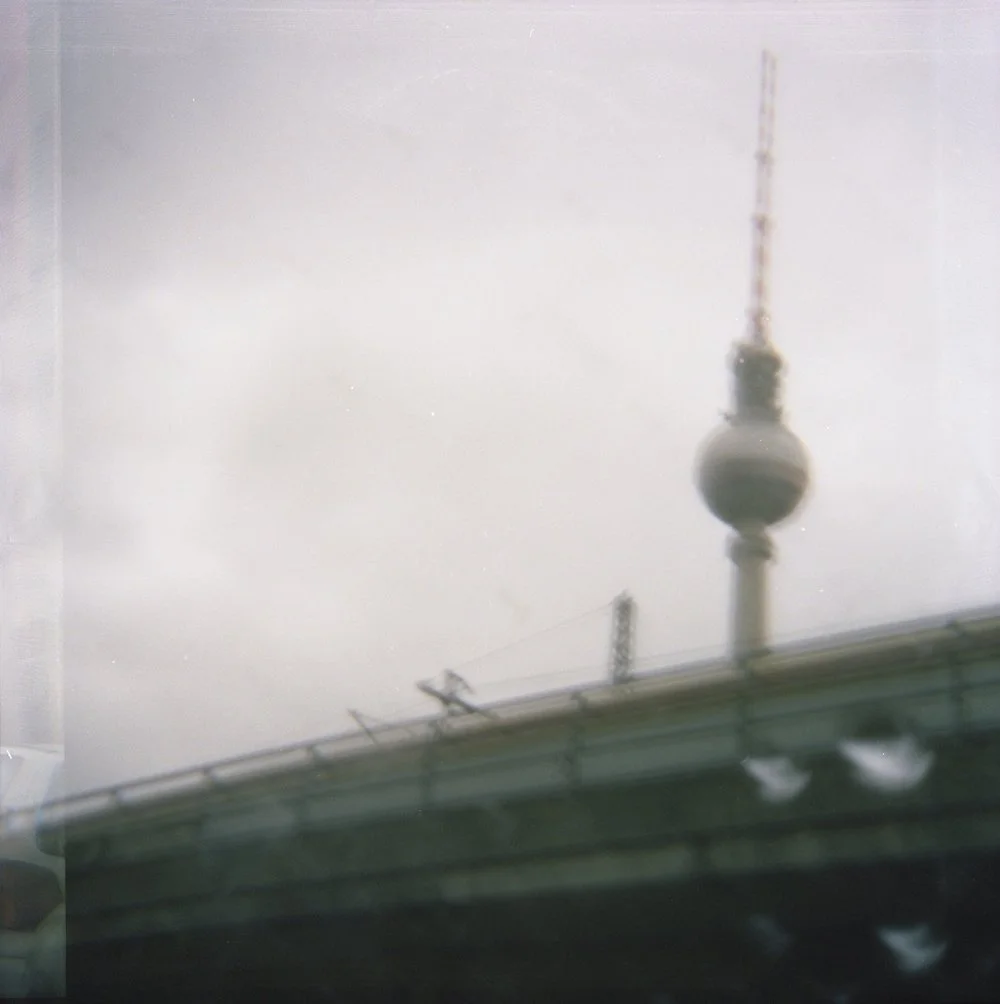
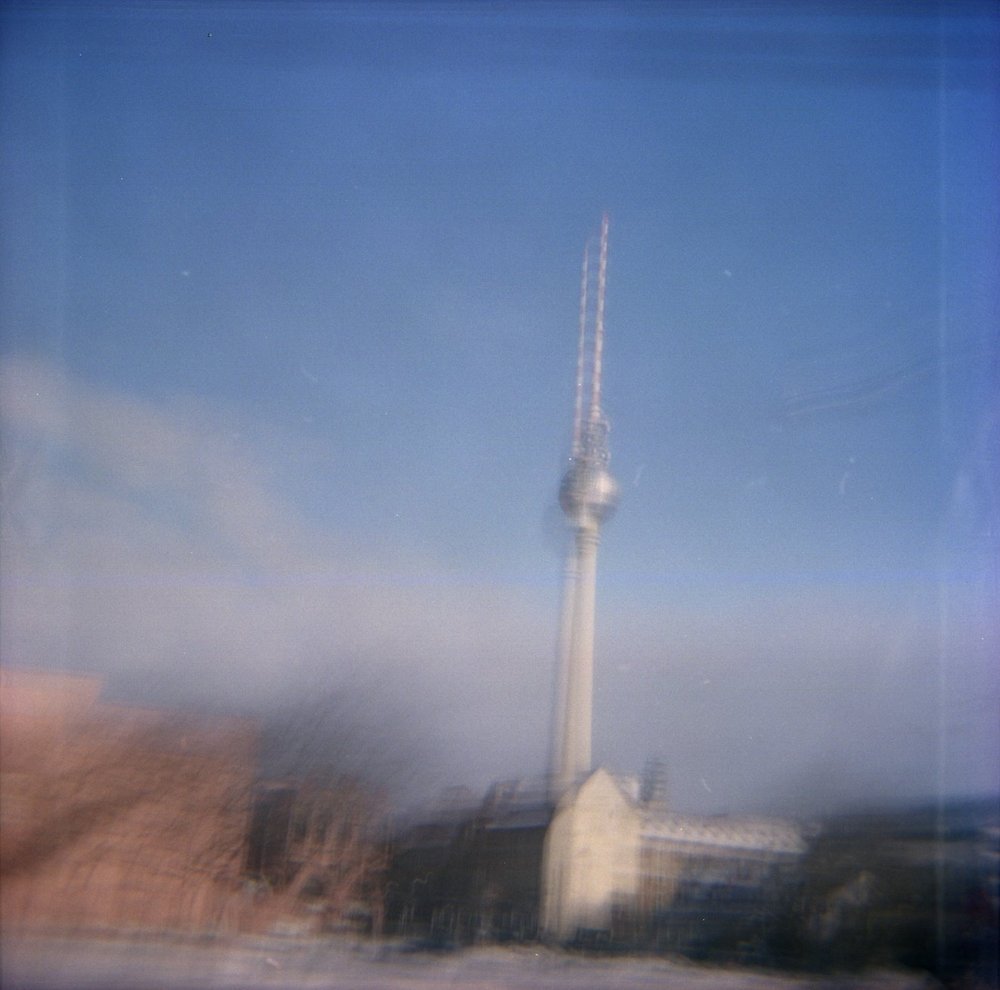
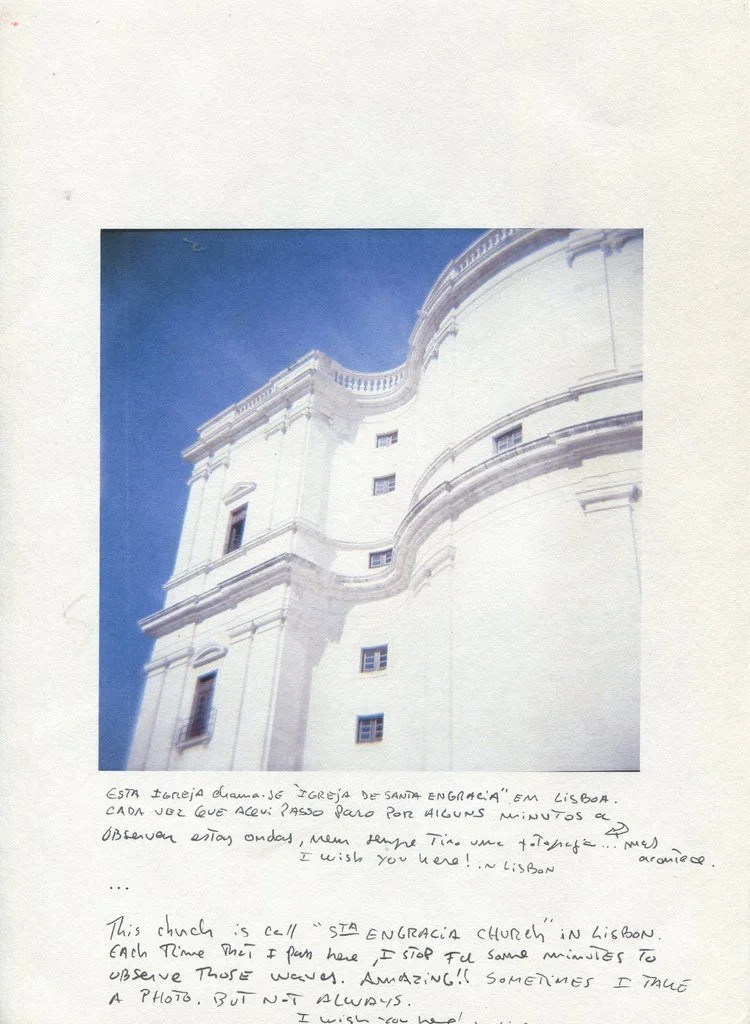
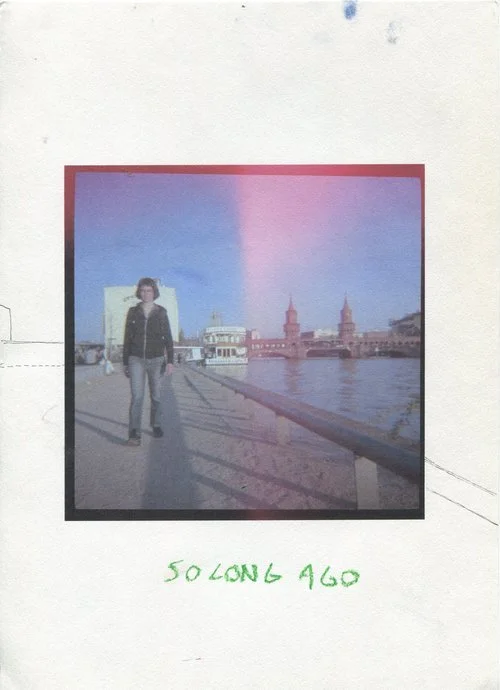
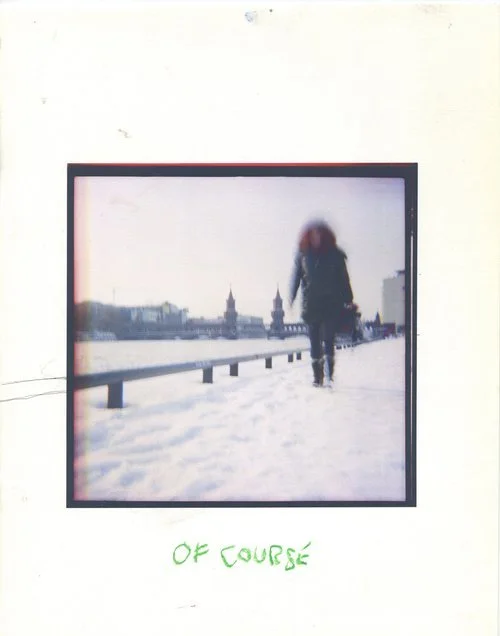
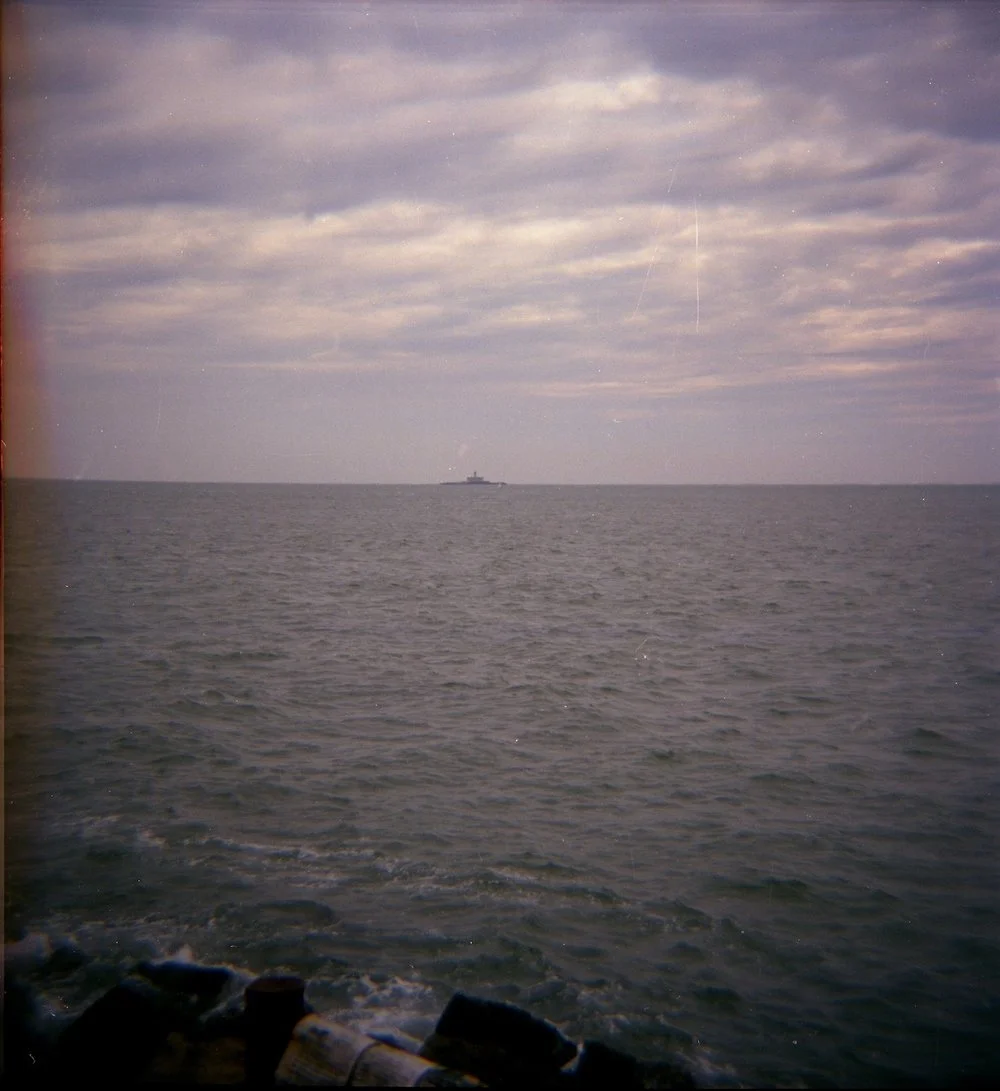
The project was made through analogue photography, mainly with a Diana+ camera, together with instant images, drawings, and paper-based compositions. These tools were not chosen for precision. They were chosen because they allowed accidents, blur, light leaks, distortion, and delay. The image was never completely clean. It carried the same fragility as memory itself.
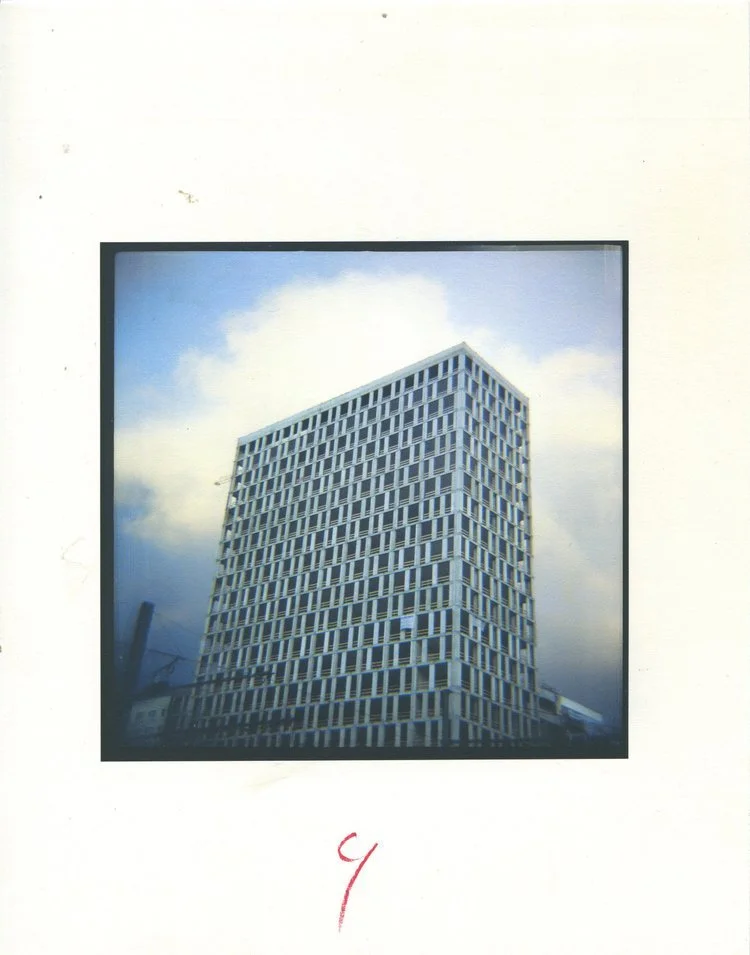
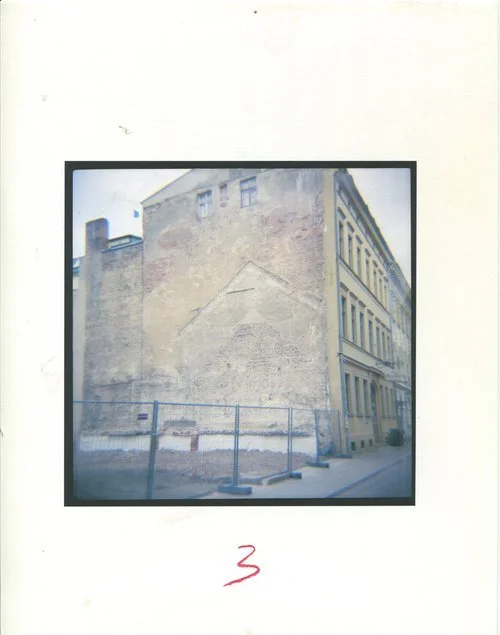
Integration Documents moves between Lisbon, Barcelona, and Berlin, but it is not a travel diary. It is a record of transition, displacement, and slow adaptation. The photographs do not explain what happened. They hold fragments: streets, pauses, bodies, objects, rooms, weather, surfaces, and small moments that seem ordinary until they begin to carry emotional weight.
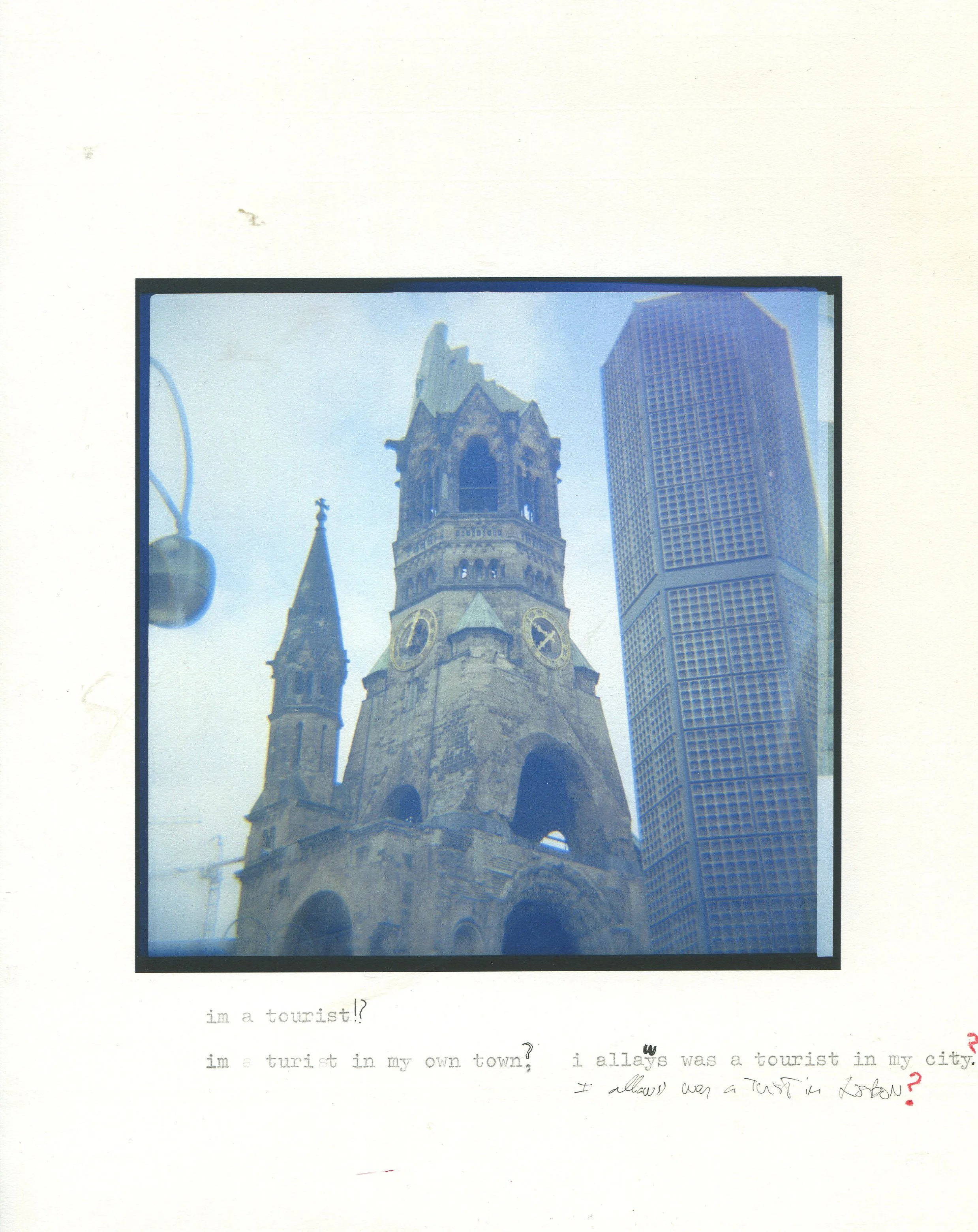
Berlin became the central atmosphere of the project. The city’s winter light, grey skies, long silences, and unfinished spaces shaped the way the images were seen and assembled. Arriving from Lisbon, the northern darkness did not become something to resist, but something absorbed into the work.
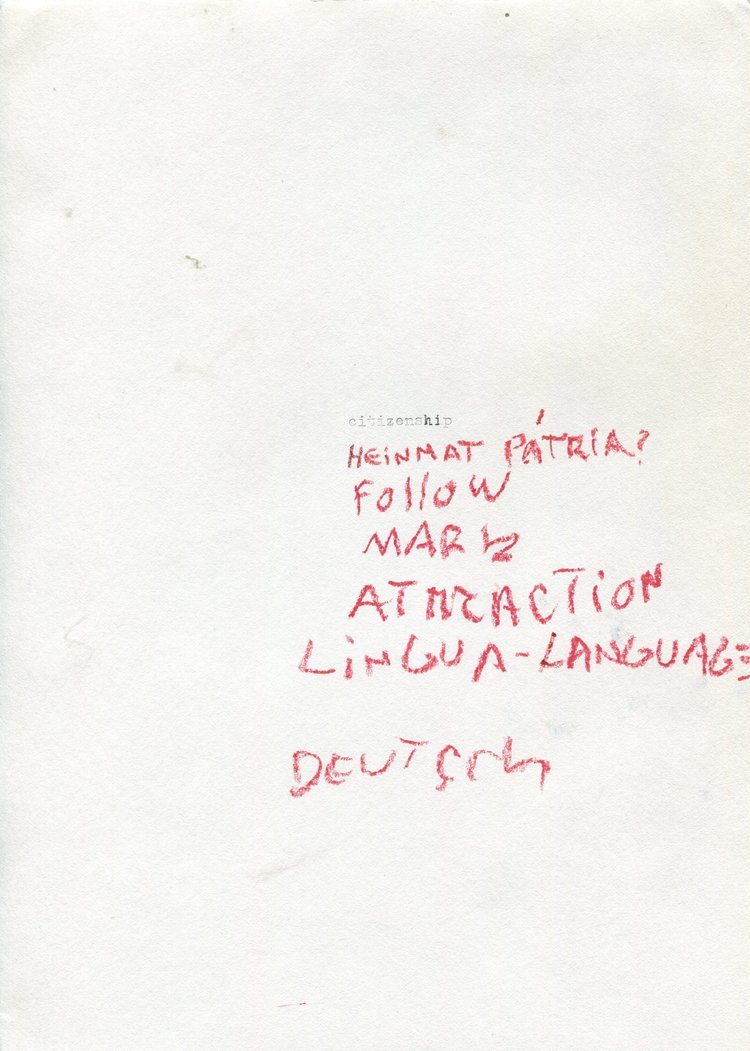
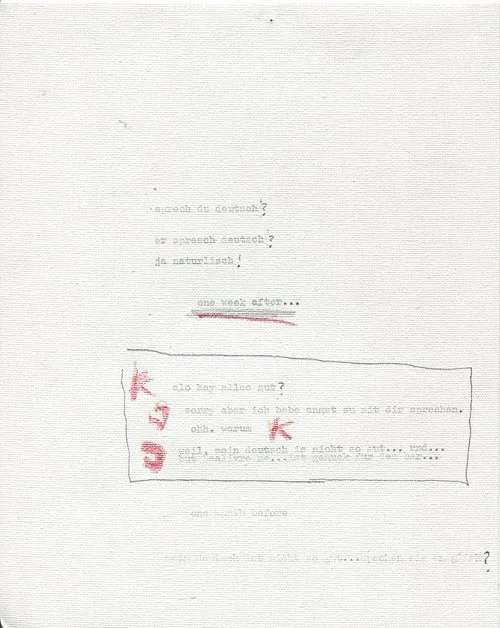
The title Integration Documents suggests paperwork, migration, administration, and the official language of belonging. But the project moves in another direction. These are not documents in the bureaucratic sense. They are emotional documents: traces of presence, hesitation, memory, and the attempt to locate oneself inside a new city.
The rise of far-right politics across Europe forms part of the background of the work. Not as a direct political statement, but as an atmosphere. The question of belonging becomes heavier when borders, identities, and national narratives begin to harden. In that context, memory can become a quiet form of resistance.
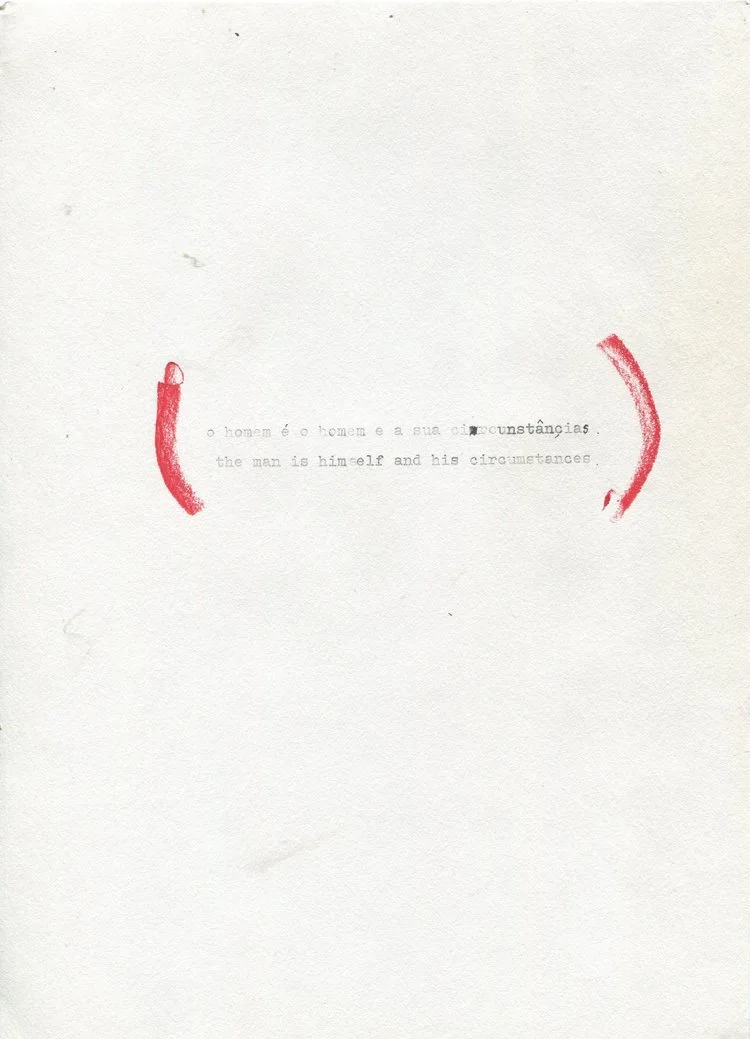
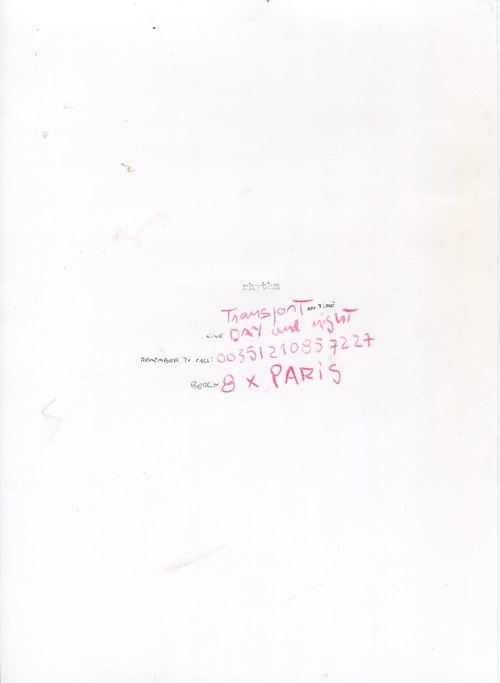
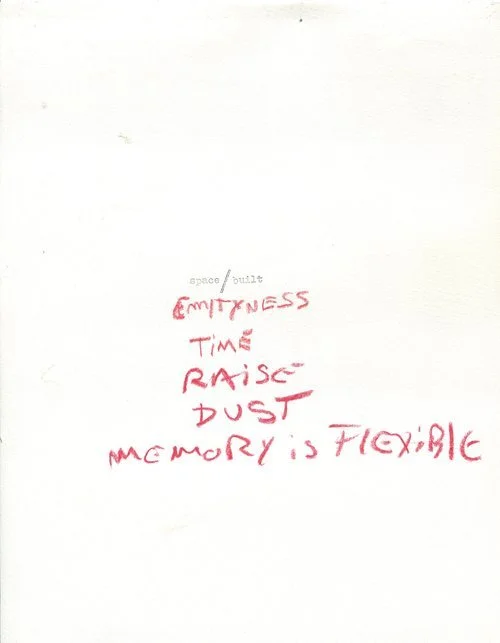
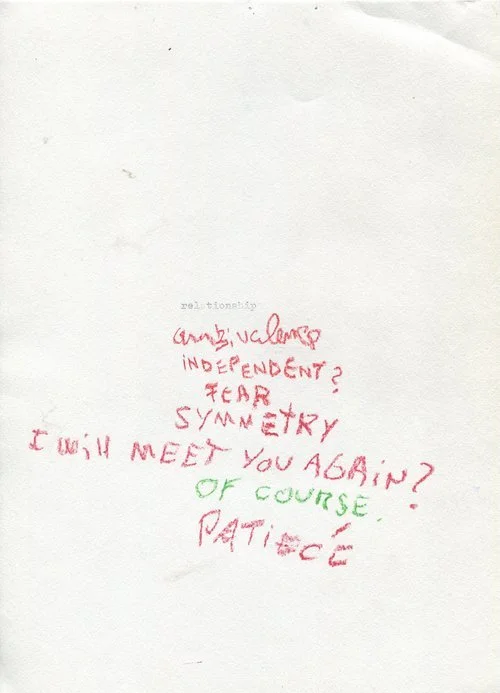
The series includes photographic works and paper pieces that function almost like visual notes. They are part sketch, part archive, part unfinished thought. They refuse a clear narrative and remain deliberately open, as if the work itself were still trying to understand where it belongs.
Integration Documents lives in the in-between: between countries, languages, climates, images, and states of mind. It is a project about movement, but also about stillness. About the traces we carry, the places that reshape us, and the fragile ways we try to become part of somewhere new without losing where we came from.